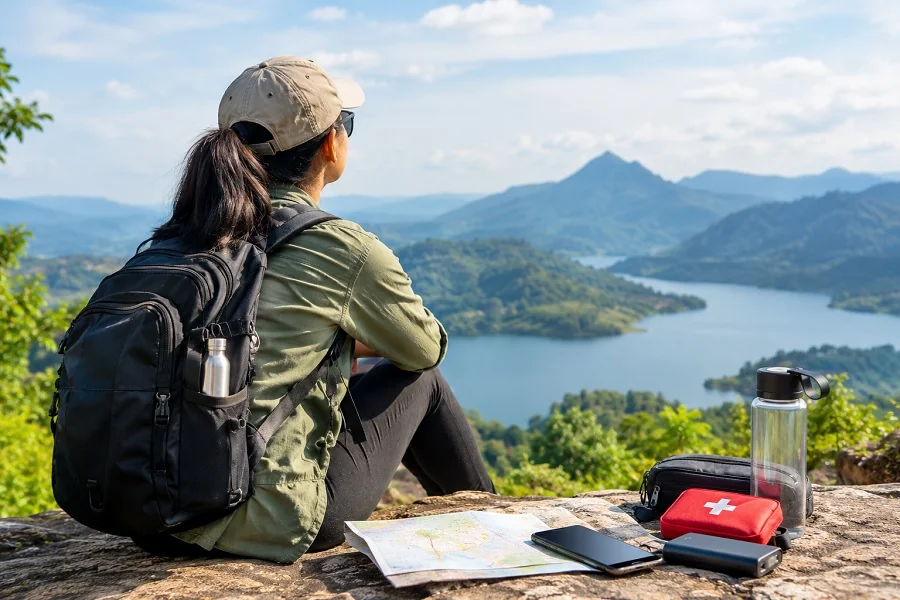
There is a unique kind of magic that unfolds when you pack a single bag, step onto a plane, and leave everything familiar far behind you. The concept of The Solo Wanderer: Finding Yourself in Foreign Lands is not just a poetic idea; it is a profound reality experienced by countless individuals who choose to venture out into the vast world alone. When you are unaccompanied in a place where no one knows your name, your history, or your daily routines, you are granted a rare blank canvas. You have the ultimate freedom to redefine who you are, what you like, and how you interact with the environment around you.
This journey is rarely just about seeing famous landmarks, tasting exotic street food, or taking beautiful photographs for your friends back home. Instead, it is a deep, introspective voyage into the core of your own identity. You learn to listen to your inner voice without the noise of societal expectations or the influence of your peers. As you navigate bustling city streets, quiet mountain trails, and lively local markets, you inevitably navigate the complex pathways of your own mind. The solitary journey demands self-reliance, forces you to confront your deepest fears, and ultimately rewards you with a renewed sense of purpose and unshakeable confidence that you carry with you for the rest of your life.
The Magic of Stepping Out of Your Comfort Zone
Comfort zones are wonderful places; they are safe, predictable, and warm. However, as the old saying goes, nothing ever grows there. When you travel alone, you deliberately strip away the safety nets that usually catch you when you fall. You no longer have a friend to rely on for directions when the map application fails, nor do you have a partner to handle the translation when you need to order a meal in a language you do not speak. Every decision, from where to sleep to what to eat and how to spend your afternoon, rests squarely on your shoulders.
This level of total autonomy can feel incredibly daunting at first. You might experience moments of hesitation or anxiety when you arrive at a foreign train station with signs written in an alphabet you cannot decipher. Yet, it is precisely within these moments of discomfort that the most significant personal growth occurs. You are forced to trust your own instincts, problem-solve on the fly, and engage with your surroundings in a highly attentive manner.
Over time, the anxiety transforms into a thrilling sense of empowerment. You realize that you are fully capable of handling whatever obstacles the world throws your way. You learn to embrace the thrill of uncertainty and find joy in the spontaneity of a day that has no fixed itinerary. This process of stepping into the unknown breaks down the limiting beliefs you previously held about your own capabilities. You begin to view challenges not as insurmountable roadblocks, but as exciting puzzles waiting to be solved. The confidence you build while navigating a confusing foreign subway system seamlessly translates into how you handle stressful situations in your everyday life back home.
Embracing the Unexpected Ups and Downs
No matter how meticulously you plan your itinerary, travel is inherently unpredictable, and going it alone amplifies this unpredictability. Trains will be delayed, flights will be canceled, weather will ruin your outdoor plans, and you might occasionally find yourself feeling utterly lost in a strange neighborhood. When you are traveling with companions, you can commiserate together, share the frustration, and rely on collective humor to lighten the mood. When you are by yourself, however, the initial sting of a mishap can feel much more acute.
You might face moments of intense loneliness, homesickness, or sheer exhaustion. It is crucial to understand that these negative emotions are not signs of failure; they are integral components of the solo journey. Embracing the unexpected ups and downs teaches you the invaluable skill of emotional resilience. You learn to sit with your discomfort rather than running away from it. When you miss your bus in a rural village and have to wait hours for the next one, you might initially feel angry. But eventually, you surrender to the reality of the situation.
You might strike up a conversation with a local vendor, read a chapter of a good book, or simply watch the world go by. These unplanned detours often lead to the most memorable experiences of your trip. You realize that you cannot control the external circumstances, but you have absolute control over your reaction to them. Surmounting these minor crises alone builds a deep well of self-trust. You return home knowing that even when plans fall apart, you will be absolutely fine. The emotional fortitude you gain becomes a permanent part of your character, allowing you to face life’s inevitable setbacks with grace, patience, and a calm mind.
Building Genuine Connections Abroad
There is a common misconception that traveling solo means you will be lonely the entire time. In reality, the exact opposite is often true. Being an independent traveler makes you infinitely more approachable to others. When you are closed off in a tight-knit group of friends or walking arm-in-arm with a partner, locals and fellow travelers are less likely to interrupt your dynamic. But when you are sitting alone at a lively cafe, reading a book at a hostel bar, or wandering through a crowded plaza, you inadvertently invite interaction.
You are essentially forced to be more extroverted and open to the people around you. These interactions often lead to incredibly genuine and profound connections. You will find yourself sharing deeply personal stories with someone you met just hours ago, simply because the transient nature of travel removes the fear of judgment. You engage in fascinating cultural exchanges that broaden your perspective on the world. You might share a meal with a family in a homestay, learning about their daily struggles and triumphs, which reminds you of the universal threads that connect all humanity.
Furthermore, the people you meet while roaming alone serve as mirrors, reflecting back facets of your personality that you might have ignored or suppressed. Because these new acquaintances have no preconceived notions about who you are, you are free to present your most authentic self. You do not have to play the role you usually play in your family or friend group back home. These fleeting yet intense friendships become beautiful chapters in your life story, proving that while you may have started the journey alone, you are never truly disconnected from the rest of the world.
Immersing Yourself in Unfamiliar Cultures
True immersion requires a level of presence and vulnerability that is best achieved when you are untethered from your usual social anchors. An independent traveler has the luxury of time and the freedom to dive deeply into the cultural fabric of their destination. You can spend four hours wandering through an obscure art museum without worrying that your companion is getting bored. You can sit on a park bench for an entire afternoon, simply observing the local rhythm of life, the way people greet each other, the street fashion, and the ambient sounds of a foreign city.
This deep immersion allows you to absorb the nuances of a culture rather than just skimming its surface as a typical tourist might. Participating in local traditions, trying regional delicacies that might initially seem intimidating, and making an effort to speak the native language, even if you only know a few basic phrases, opens doors that would otherwise remain firmly shut. Locals appreciate the effort and are often eager to share their heritage with a respectful and curious visitor.
As you immerse yourself, you begin to question your own cultural conditioning. You observe different societal values regarding time, work, family, and success. This comparative analysis is a vital part of finding yourself. By understanding how other people live and what they prioritize, you gain a clearer understanding of what truly matters to you. You might find that you prefer the slower, more community-focused pace of a Mediterranean village to the hyper-competitive hustle of your home city. These realizations shape your worldview and often lead to lasting changes in how you structure your life long after you have unpacked your bags.
Practical Tips for the Solo Traveler
Embarking on a solitary adventure requires a blend of courage, preparation, and common sense. While the emotional and psychological benefits are immense, the practical realities of navigating the world alone must be managed carefully to ensure a successful trip. First and foremost, safety should always be your top priority. Research your destination thoroughly before you arrive, paying close attention to local customs, dress codes, and areas that should be avoided after dark. Always share your itinerary with at least one trusted friend or family member back home, and check in with them regularly. Trusting your intuition is your best defense; if a situation, a person, or a neighborhood feels unsafe, remove yourself immediately without worrying about being polite.
Secondly, pack as lightly as humanly possible. Managing a single, sturdy backpack or a small carry-on suitcase makes navigating cobblestone streets, crowded trains, and narrow staircases infinitely easier. It also gives you the physical mobility to change plans at a moment’s notice. Financial preparation is equally critical. Always carry a backup credit card and some emergency cash stashed in a separate location from your main wallet. Create a realistic daily budget, but allow for occasional splurges, whether it is a nice meal or a guided tour that enhances your experience.
Finally, keep a travel journal. The internal journey of navigating a foreign land is just as dynamic as the external one, and writing down your thoughts, fears, observations, and triumphs helps you process the immense amount of new information you are absorbing. Your journal will become a cherished keepsake, a tangible record of your personal evolution over the miles you have traveled.
FAQs
What are the main benefits of traveling alone? Traveling alone forces you to step out of your comfort zone, builds immense self-confidence, improves your problem-solving skills, and allows you to meet new people more easily.
Is it safe to travel alone in a foreign country? Yes, it is generally safe if you take standard precautions, research your destination thoroughly, stay aware of your surroundings, and always trust your intuition.
How do I overcome loneliness while traveling by myself? You can overcome loneliness by staying in social environments like hostels, joining group activities or walking tours, striking up conversations with locals, and maintaining a positive mindset.
What should I pack for a solo trip? You should pack light, bring versatile and culturally appropriate clothing, carry essential safety items like a portable charger, and ensure you have digital copies of all your important documents.
How do I manage my budget when I do not have anyone to split costs with? You can manage your budget by staying in affordable accommodations, eating at local markets rather than tourist restaurants, using public transportation, and tracking your daily expenses meticulously.
Final Thought
The choice to wander the globe alone is one of the most empowering decisions you can make for your personal growth. It is a bold declaration of independence and a commitment to understanding the deepest parts of your own soul. While the journey will undoubtedly test your limits, push your boundaries, and occasionally bring you face-to-face with your own vulnerabilities, the rewards far outweigh the challenges. You return home with a suitcase full of memories, but more importantly, you return with a profound sense of self-awareness and an unshakable inner strength. The world is a vast, beautiful, and complex place, and navigating it entirely on your own terms is an experience that permanently alters your perspective on life. You realize that you are your own best company, capable of finding joy, resilience, and profound meaning wherever you go.