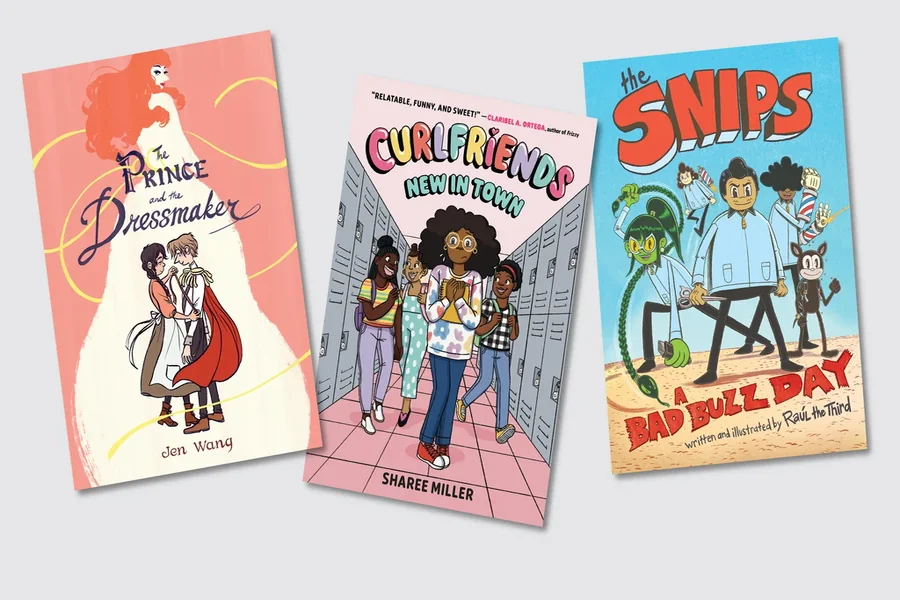
The literary world is undergoing a vibrant transformation, shifting away from walls of text to embrace the striking power of visual storytelling. If you walk into any major bookstore today, you will notice a significant change in the floor plan. Sections that were once relegated to a few dusty shelves in the back corner have now expanded into massive, highly trafficked aisles prominently displayed near the front entrance. When we look closely at this modern literary landscape, we find a fascinating intersection of ink and imagination: why graphic novels are taking over the mainstream is a subject that continues to captivate readers, critics, and publishers alike. Once dismissed as mere entertainment for children or niche hobbyists, sequential art has evolved into a powerhouse of cultural expression. This shift did not happen overnight. It is the result of decades of artistic innovation, shifting cultural attitudes, and a growing recognition of how powerfully words and pictures can work together to convey complex human emotions. Today, these books regularly top bestseller lists, win prestigious literary awards, and serve as the source material for the biggest blockbuster franchises in the world. To understand this phenomenon, we must look at how the medium has matured, the diverse audiences it now attracts, and the undeniable impact it has on global pop culture.
The Evolution of Sequential Art
The journey from cheap, disposable comic strips to premium, widely respected literary works is a testament to the resilience and creativity of visual artists. In the early twentieth century, comic strips were primarily designed to sell newspapers, offering a quick laugh or a thrilling serialized adventure before being thrown away. By the time the Golden Age of Comic Books arrived, superheroes dominated the pages, providing escapism during times of global conflict. However, the medium was heavily heavily stigmatized and often blamed for juvenile delinquency in the 1950s, leading to strict self-censorship through the Comics Code Authority. This stunted the growth of mainstream sequential art for years, keeping the stories relatively simple and strictly aimed at younger demographics. Everything began to change in the late twentieth century. Pioneering creators like Will Eisner began experimenting with longer, more sophisticated narratives, coining the term “graphic novel” to differentiate their work from traditional serialized comic books. The 1980s proved to be a major turning point, introducing readers to mature, complex deconstructions of morality and power. Groundbreaking works pushed the boundaries of what could be achieved with ink on a page, proving that the medium could tackle dark, psychological themes just as effectively as traditional prose. When Art Spiegelman’s deeply moving Holocaust survival memoir, Maus, won the Pulitzer Prize in 1992, it shattered the glass ceiling for visual storytelling. The critical establishment could no longer ignore the artistic and literary merit of these works. Since then, the medium has continued to evolve rapidly, attracting talented writers and illustrators from diverse backgrounds who are eager to experiment with panel layouts, color palettes, and narrative pacing.
Cinematic Adaptations Driving Popularity
One cannot discuss the rise of sequential art without acknowledging the massive influence of Hollywood and global streaming platforms. The modern entertainment landscape is completely dominated by adaptations of illustrated stories. The Marvel Cinematic Universe and the DC Extended Universe have transformed characters that were once considered niche into global pop culture icons. When audiences watch a thrilling movie or a deeply engaging television series, a significant portion of those viewers naturally want to seek out the source material. This creates a powerful synergistic loop between the screen and the page. A hit television show can instantly propel a decades-old graphic novel back onto the bestseller lists, introducing a completely new generation to the original creator’s vision. Crucially, this adaptation pipeline extends far beyond traditional superhero narratives. Networks and streaming giants are increasingly turning to independent and creator-owned comics for their next hit series. Shows like The Walking Dead, The Boys, The Umbrella Academy, and Heartstopper all originated as sequential art before becoming massive television phenomena. These adaptations demonstrate to the general public that the medium is not restricted to capes and cowls. When viewers realize that a gritty post-apocalyptic survival story, a dark corporate satire, or a tender coming-of-age romance started as a book of illustrations, it breaks down their preconceived notions. This cross-pollination between film, television, and publishing has been instrumental in normalizing the medium for the average consumer. People who previously never would have considered stepping into a comic book shop are now eagerly ordering these books online or reserving them at their local libraries.
Diverse Genres and Broader Audiences
The true strength of the modern graphic novel market lies in its staggering diversity of genres and the broad demographics it now serves. For a long time, the Western market was overwhelmingly dominated by action-oriented stories aimed at young males. Today, the landscape is infinitely richer and more inclusive. Walk down a modern aisle and you will find hard-hitting journalism, poignant autobiographies, sprawling fantasy epics, historical fiction, and slice-of-life comedies. This diversification means that there is literally a beautifully illustrated story out there for every type of reader, regardless of their age, gender, or personal interests. If someone enjoys true crime, there is a visual narrative for them. If they prefer quiet, introspective indie dramas, the shelves are fully stocked. A massive contributor to this broader audience is the explosive popularity of manga—Japanese graphic novels. Manga publishers have mastered the art of catering to highly specific demographics, offering specialized genres for young boys, young girls, adult men, and adult women. The accessibility and sheer variety of manga have brought millions of new readers into the fold, significantly boosting overall industry sales. Furthermore, the Young Adult (YA) and middle-grade sectors have seen unprecedented growth, largely driven by incredibly talented female creators. Authors like Raina Telgemeier have sold millions of copies by telling relatable, character-driven stories about the everyday struggles of growing up, navigating middle school, and dealing with family dynamics. These books resonate deeply with younger readers, building a lifelong reading habit and proving that everyday human experiences are just as compelling as saving the universe.
The Impact on Education and Literacy
As the cultural stigma surrounding visual storytelling has faded, the educational establishment has fully embraced the medium as a powerful tool for literacy and cognitive development. Teachers, educators, and librarians are now among the strongest advocates for these books. In the past, there was a misconception that reading a book with pictures was somehow “cheating” or providing a less rigorous intellectual experience. Extensive educational research has completely debunked this myth. Reading sequential art requires a complex, multi-modal form of literacy. The brain must simultaneously decode textual information, analyze visual cues, interpret body language, and infer action that occurs in the blank spaces—known as gutters—between the panels. This active engagement strengthens critical thinking and reading comprehension skills. These books have proven to be especially beneficial for reluctant readers, English as a Second Language (ESL) students, and children with learning differences such as dyslexia. The visual context provides immediate scaffolding, helping readers understand complex vocabulary and follow intricate plotlines without feeling overwhelmed by dense blocks of text. The fast pacing and visual reward system keep readers engaged, building their confidence and fostering a genuine love for reading. Beyond basic literacy, these books are increasingly being used in higher education to teach subjects ranging from history and political science to medicine and sociology. The ability to present dense, factual information alongside compelling illustrations makes difficult subjects more accessible and emotionally resonant for students of all ages.
FAQs
Are graphic novels considered real books? Yes, they are widely recognized as real books that offer deep literary value, character development, and complex narrative structures just like traditional prose literature.
What is the difference between a comic book and a graphic novel? A comic book is typically a short, serialized periodical released on a regular schedule, whereas a graphic novel is a longer, complete, and self-contained narrative presented in a single book format.
Why do adults enjoy reading graphic novels? Adults appreciate them because they frequently explore sophisticated themes, feature stunning artwork, and cover diverse genres like memoir, history, and horror that appeal to mature tastes.
Do these books help children learn how to read? Yes, the combination of visual cues and text helps improve vocabulary, builds reading comprehension, and keeps reluctant or struggling readers highly engaged with the material.
Can I find graphic novels that are not about superheroes? Absolutely, the market is filled with non-superhero stories including romance, science fiction, true crime, autobiography, and historical non-fiction.
Final Thought
The explosive growth of visual storytelling is a reflection of how our society consumes and processes information in the modern era. We live in a highly visual culture, and it is only natural that our literature reflects that reality. The journey from the margins of pop culture to the center of the literary establishment is a triumph of artistic perseverance. As we continue to witness the unique intersection of ink and imagination, it becomes clear that these books are not a passing fad, but a permanent, vital pillar of global storytelling. They challenge us to look closer, think deeper, and experience narratives in a way that neither prose nor film can achieve alone. Whether you are a lifelong fan or a curious newcomer, there has never been a better time to open a beautifully illustrated book and see exactly why this medium has brilliantly conquered the mainstream.
1 thought on “Ink and Imagination: Why Graphic Novels are Taking Over the Mainstream”