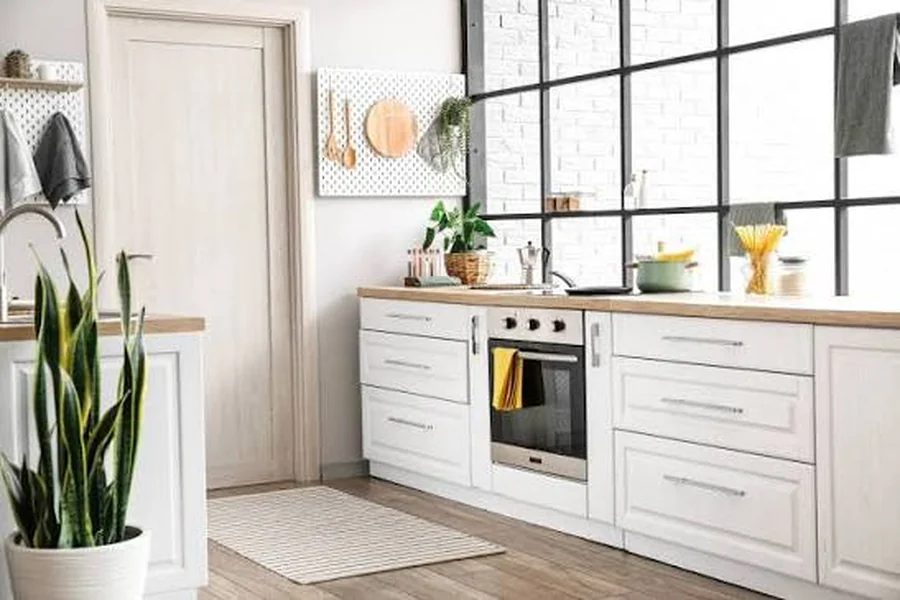
The kitchen is often considered the heart of the home, a bustling hub where meals are prepared, conversations flow, and memories are made. However, traditional remodeling projects can take a significant toll on the environment, generating massive amounts of waste and introducing harmful chemicals into your living space. If you are ready to update your cooking area while minimizing your ecological footprint, you have come to the right place. Welcome to The Ultimate Guide to Eco-Friendly Kitchen Renovations, your comprehensive roadmap to creating a space that is as beautiful and functional as it is environmentally responsible. Transforming your home into a sustainable sanctuary does not mean you have to sacrifice style, modern conveniences, or your budget. In fact, green remodeling often leads to a more durable, healthier, and financially efficient home in the long run. By making conscious choices about the materials you use, the appliances you install, and the resources you consume, you can dramatically reduce your environmental impact. This resource will walk you through every critical step of a sustainable remodel, from selecting low-impact cabinetry and countertops to optimizing your energy and water usage. Whether you are planning a complete tear-down or a few strategic upgrades, these sustainable living principles will help you craft a stunning kitchen that respects the planet and enhances your everyday life.
Why Choose a Sustainable Kitchen Design?
Embarking on a sustainable kitchen design is about much more than following a passing trend; it is a profound commitment to environmental stewardship and personal well-being. The traditional construction and remodeling industry is notorious for its heavy resource consumption and staggering waste generation. By opting for a green renovation, you are actively diverting materials from overcrowded landfills and reducing the demand for virgin resources. Every eco-conscious decision, from preserving your existing floorplan to selecting locally sourced materials, helps lower the overall carbon footprint associated with manufacturing and transportation.
Beyond the clear environmental benefits, an eco-friendly kitchen dramatically improves the indoor air quality of your home. Conventional building materials, such as standard paints, cabinet finishes, and synthetic adhesives, often contain Volatile Organic Compounds (VOCs). These toxic chemicals can off-gas into your home for months or even years, potentially triggering allergies, headaches, and respiratory issues. Sustainable alternatives prioritize natural, non-toxic, and low-VOC products, ensuring that the air your family breathes remains clean and safe. This focus on health is especially crucial in a space where you prepare and consume food daily.
Furthermore, a green kitchen renovation is a smart financial investment. While some sustainable materials or high-efficiency appliances may carry a slightly higher upfront cost, they are designed to pay for themselves over time. Energy-efficient refrigerators, induction cooktops, and smart lighting systems significantly lower your monthly utility bills. High-quality, sustainable materials like solid reclaimed wood or quartz are incredibly durable, meaning you will not have to spend money on repairs or replacements as frequently. Ultimately, a sustainable remodel increases the overall value of your property, appealing to a growing market of environmentally conscious homebuyers who are willing to pay a premium for a turnkey, eco-friendly home.
Energy-Efficient Appliances and Lighting
Your kitchen is likely the most energy-intensive room in your house, housing large appliances that run constantly and lighting systems that are used throughout the day and night. Therefore, upgrading to energy-efficient appliances is one of the most impactful steps you can take during your renovation. When shopping for new equipment, always look for the ENERGY STAR label, which guarantees that the appliance meets strict energy efficiency guidelines set by the environmental protection agencies. Modern ENERGY STAR refrigerators, for example, use significantly less electricity than older models, thanks to advanced insulation and highly efficient compressors.
When it comes to cooking, induction cooktops are the undisputed champions of energy efficiency and safety. Unlike traditional gas or electric ranges that heat the air around the pan, induction technology uses electromagnetic fields to heat the cookware directly. This results in faster cooking times, precise temperature control, and significantly less wasted ambient heat, keeping your kitchen cooler and reducing the strain on your air conditioning system. Furthermore, induction cooktops eliminate the indoor air pollution associated with burning natural gas, further contributing to a healthier home environment. Pair your induction cooktop with a smart, high-efficiency range hood that automatically adjusts its fan speed based on the amount of heat and steam detected.
Lighting is another critical area where you can achieve massive energy savings. Say goodbye to outdated incandescent and halogen bulbs and fully embrace Light Emitting Diode (LED) technology. LEDs use a fraction of the electricity required by traditional bulbs and last decades longer, drastically reducing both energy consumption and physical waste. A well-designed sustainable kitchen utilizes a layered lighting approach to maximize efficiency. Install bright, focused LED task lighting under your cabinets to illuminate your workspaces perfectly. Use ambient ceiling fixtures for general illumination, and incorporate decorative pendant lights over an island or dining area for visual interest. To take your energy savings a step further, integrate smart lighting controls, such as dimmer switches, motion sensors, and automated timers, ensuring that lights are only on when they are truly needed.
Eco-Conscious Materials for Cabinets and Countertops
Selecting the right materials for your cabinets and countertops is a defining moment in your eco-friendly renovation, dictating both the aesthetic appeal and the environmental integrity of the space. Cabinets typically represent the largest investment and visual footprint in a kitchen. The most sustainable choice you can make is to reface or refinish your existing cabinets rather than replacing them entirely. If the cabinet boxes are structurally sound, adding new doors, hardware, and a coat of low-VOC paint can completely transform the room without sending bulky boxes to the landfill. If you must purchase new cabinets, look for products made from sustainably harvested timber certified by the Forest Stewardship Council (FSC).
Bamboo is another exceptional option for cabinetry and flooring. Although technically a grass, bamboo is incredibly durable and grows at an astonishing rate, making it a highly renewable resource compared to slow-growing hardwoods. If you prefer a modern, sleek look, consider cabinets constructed from recycled materials or formaldehyde-free medium-density fiberboard (MDF). It is crucial to verify that the adhesives and finishes used on your new cabinets are water-based and free of toxic chemicals, preventing harmful off-gassing in your freshly renovated space.
When it comes to countertops, the market now offers a plethora of stunning, eco-conscious alternatives to newly quarried stone. Recycled glass countertops are a vibrant and durable choice, created by embedding crushed glass from discarded bottles and windows into a cement or resin binder. This process gives new life to non-biodegradable waste while providing a unique, customizable surface that resists heat and scratches. Reclaimed wood is another excellent option for kitchen islands or butcher blocks, offering warmth and character while sparing living trees. If you prefer the look of natural stone, engineered quartz is a fantastic sustainable alternative. Quartz countertops are manufactured using waste stone dust and fragments bound together with resins, resulting in a non-porous, incredibly strong surface that requires no chemical sealants and provides a lifetime of use.
Water Conservation Strategies
Water scarcity is a growing global concern, and the kitchen is a prime location to implement effective water conservation strategies. The simplest and most cost-effective upgrade is installing low-flow aerators on your kitchen faucets. These inexpensive devices mix air into the water stream, maintaining high pressure while significantly reducing the actual volume of water flowing through the tap. For even greater control, consider installing a smart, touchless faucet. Touchless technology prevents water from running unnecessarily while you are washing your hands or scrubbing dishes, and it helps keep your workspace sanitary by minimizing cross-contamination from raw foods.
Upgrading your dishwasher is another vital component of a water-wise kitchen. It is a common misconception that washing dishes by hand saves water; in reality, a modern ENERGY STAR-certified dishwasher is far more efficient. These advanced machines use highly targeted spray jets, soil sensors, and optimized internal heating to clean heavily soiled plates using just a few gallons of water per cycle. To maximize your conservation efforts, ensure you only run the dishwasher when it is fully loaded, and scrape your plates instead of pre-rinsing them under a running tap.
Finally, consider the environmental impact of your drinking water. Relying on single-use plastic water bottles contributes heavily to global pollution and waste. Installing a high-quality, under-sink water filtration system provides you and your family with clean, great-tasting water directly from the tap, eliminating the need for bottled water entirely. Reverse osmosis systems or advanced carbon filters are excellent choices that remove impurities and contaminants. By combining efficient fixtures, smart appliances, and a commitment to reducing plastic waste, your kitchen can become a model of modern water conservation.
FAQs
What makes a kitchen renovation eco-friendly? An eco-friendly kitchen renovation focuses on minimizing environmental impact by using sustainable, recycled, or upcycled materials, installing energy-efficient appliances, reducing water consumption, and ensuring good indoor air quality through non-toxic finishes.
Are sustainable kitchen materials more expensive? While some sustainable materials may have a higher upfront cost, they often provide long-term savings through increased durability, lower maintenance requirements, and significant reductions in your monthly water and electricity bills.
Can I make my current kitchen greener without a full remodel? Yes, you can make impactful green upgrades by swapping out incandescent bulbs for LEDs, installing a low-flow faucet aerator, painting with low-VOC products, and upgrading to energy-efficient appliances when your old ones break down.
Is bamboo a good material for kitchen cabinets? Bamboo is an excellent material for cabinets because it is highly renewable, extremely durable, and offers a beautiful, modern aesthetic, provided it is manufactured using non-toxic, formaldehyde-free adhesives.
Does a dishwasher really save more water than washing by hand? Yes, modern high-efficiency dishwashers use significantly less water than washing dishes by hand, often requiring only three to four gallons per cycle while simultaneously providing superior cleaning and sanitization.
How do I dispose of my old kitchen materials responsibly? To dispose of materials responsibly, donate usable appliances and intact cabinets to local charities or salvage yards, and recycle metals, glass, and untreated wood at specialized municipal recycling facilities to keep them out of landfills.
Final Thought
Transitioning to an eco-friendly kitchen is a rewarding endeavor that perfectly balances aesthetic desires with ethical responsibility. By integrating energy-efficient technologies, conserving water, and selecting sustainable materials, you create a space that nurtures both your family and the natural world. A mindful approach to remodeling proves that modern luxury and environmental consciousness can seamlessly coexist in the heart of your home. As you plan your project, remember that every small, sustainable choice contributes to a much larger global impact, paving the way for a cleaner, greener future for generations to come.
1 thought on “The Ultimate Guide to Eco-Friendly Kitchen Renovations: Build a Greener Home”