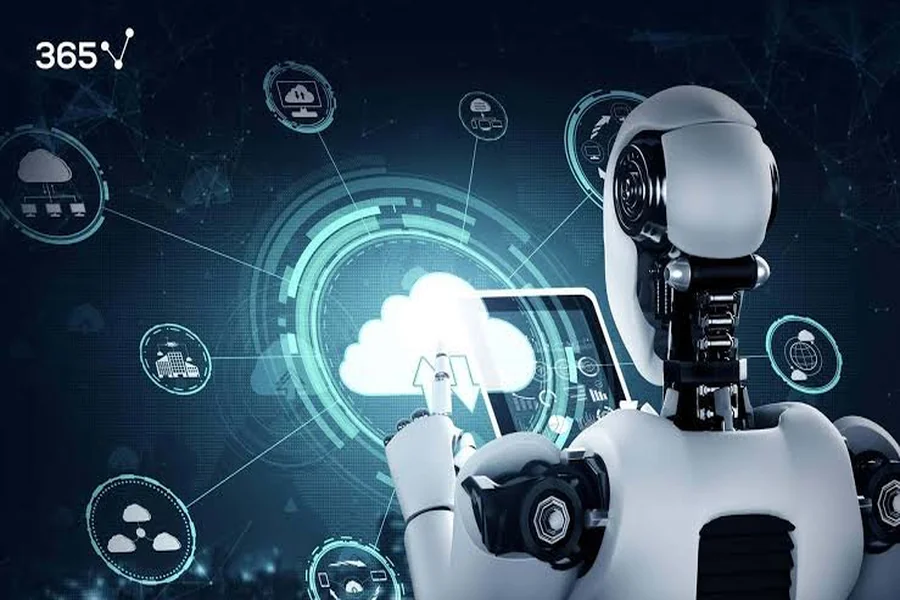
We are living in an era where technology evolves faster than our collective ability to fully comprehend its trajectory. At the heart of this rapid acceleration lies a fundamental shift in how computers process information, understand context, and make decisions. When we examine the Algorithms of Tomorrow: How Machine Learning is Rewriting the Future, we are no longer looking at science fiction tropes or distant, speculative possibilities. We are observing a tangible, present-day reality where intricate lines of code can learn, adapt, and predict outcomes with an uncanny, almost human-like accuracy. This profound transformation represents a stark departure from traditional software paradigms, which relied entirely on explicit human instructions and rigid coding frameworks. Today, intelligent systems autonomously analyze vast oceans of digital data to find hidden patterns and correlations that remain entirely invisible to the human eye, fundamentally altering the fabric of our modern society. From the way we diagnose complex, rare diseases to how we navigate densely populated city streets, intelligent computing is quietly but persistently functioning in the background, making our lives more efficient, connected, and streamlined. The sheer scale of this technological leap is unprecedented, impacting every demographic and geographic region. As we stand on the cusp of this new technological frontier, it is essential to understand both the mechanics of these intelligent systems and the profound implications they hold for our shared future. The transition from reactive tools to proactive, predictive partners marks a turning point in human history, one where our creations begin to teach themselves how to best serve our daily needs.
The Dawn of Intelligent Systems
Machine learning is not a sudden, inexplicable phenomenon; rather, it is the spectacular culmination of decades of mathematical research, steady computational advancements, and the exponential explosion of digital data. In the early days of modern computing, machines were strictly rule-based and rigidly inflexible. They could only perform tasks if a human programmer carefully anticipated every possible scenario and wrote a specific, unwavering rule for it. This deterministic approach worked remarkably well for simple mathematical calculations, basic automation, and highly structured database management, but it failed spectacularly when faced with the messy, unpredictable, and nuanced nature of the real world. The monumental breakthrough came with the development of artificial neural networks and highly advanced statistical models that attempt to mimic the core cognitive functions of the human brain. By feeding massive, complex datasets into these sophisticated models, engineers allowed the software to identify underlying correlations and build its own conceptual understanding of the task at hand. This monumental shift from programming a machine to actively training it is precisely what gives modern algorithms their staggering analytical power. Today, complex deep learning architectures can effortlessly process natural language, recognize individual faces in a massive crowded stadium, and even compose original, emotionally resonant music. We are moving rapidly beyond supervised learning, where algorithms need clearly labeled data, toward unsupervised and reinforcement learning, where systems navigate complex environments and learn purely from their own digital successes and failures. As computational hardware becomes increasingly powerful and global data becomes even more abundant, these systems will only grow exponentially more sophisticated. They are rapidly evolving from narrow, single-task utility tools into highly adaptable, generalized platforms capable of handling multiple complex variables simultaneously. The near future will undoubtedly see algorithms that require drastically less human intervention to learn new skills, making them vastly faster, more intuitively capable, and infinitely more equipped to solve the grandest challenges of our modern time.
Transforming Industries from the Inside Out
The truest measure of any historical technological revolution is its lasting impact on the global economy and overall human productivity. Machine learning is leaving absolutely no stone unturned, acting as a powerful catalyst for unprecedented innovation and disruption across almost every conceivable major industry. In the global healthcare sector, highly predictive computational models are literally saving lives by identifying early, subtle warning signs of debilitating diseases like cancer, diabetes, and Alzheimer’s long before traditional diagnostic methods can detect an issue. Advanced algorithms continuously analyze high-resolution medical imaging, complex genetic profiles, and extensive patient histories to recommend highly personalized, targeted treatment plans, thereby reducing trial-and-error medicine and drastically improving patient recovery outcomes. The global financial industry is experiencing a similarly massive and rapid upheaval. International banks and boutique investment firms utilize sophisticated artificial intelligence tools to detect fraudulent transactions in real-time, assess complex credit risks with incredible mathematical precision, and execute high-frequency stock trades based on microscopic market fluctuations that human analysts cannot even perceive. These robust applications not only protect vulnerable consumer assets but also ensure the ongoing stability of highly volatile global markets. Furthermore, global transportation and logistical supply chains are being completely reimagined from the ground up. Fully autonomous vehicles, powered by complex computer vision and sensor-fusion algorithms, are actively preparing to take over our global highways, promising to dramatically reduce traffic fatalities caused by human error and distraction. Supply chain management, once a chaotic web of manual tracking and educated guesswork, is now heavily optimized by intelligent systems that flawlessly predict consumer demand, manage warehouse inventory levels, and chart the absolute most fuel-efficient delivery routes across the globe. Even the traditional agricultural sector is heavily benefiting, with innovative precision farming techniques utilizing high-altitude drone imagery and intelligent soil sensors to maximize crop yields while simultaneously minimizing harmful environmental impacts. As these diverse technologies mature and integrate, the global efficiency gains will be truly staggering, fundamentally restructuring how international businesses operate and deliver essential value to everyday consumers around the world.
The Ethical Dilemmas of Artificial Intelligence
With great, unprecedented technological power comes an equally profound and urgent responsibility to carefully manage its long-term societal consequences. As we enthusiastically integrate machine learning more deeply into our critical societal infrastructure, we must bravely confront a host of complex ethical and moral dilemmas that threaten to undermine the widespread benefits of these incredible innovations. One of the most immediate and pressing concerns is the pervasive issue of algorithmic bias. Because machine learning models learn directly from historical human data, they often inadvertently inherit, amplify, and solidify the deep-seated prejudices and historical inequalities embedded within that specific training data. If an algorithm actively used for corporate hiring, financial lending, or criminal sentencing is trained on heavily biased historical records, it will inevitably make discriminatory, unfair decisions, perpetuating systemic societal inequalities under the dangerous guise of objective mathematical truth. Actively addressing this specific issue requires rigorous independent oversight, highly diverse training datasets, and a steadfast commitment to algorithmic transparency from the powerful developers who build these opaque digital systems. Another incredibly significant societal challenge is the looming potential for widespread, catastrophic job displacement across multiple sectors. While it is certainly true that new technologies inevitably create new, previously unimagined industries and professions, the rapid transition period can be brutal for legacy workers whose manual skills are suddenly rendered completely obsolete by intelligent software automation. We must actively grapple with the harsh economic realities of a modernized workforce where routine cognitive and manual tasks are handled flawlessly by software, necessitating massive, government-backed reskilling initiatives and perhaps even a radical rethinking of our fundamental social safety nets. Furthermore, the meteoric rise of hyper-personalized predictive algorithms raises incredibly serious consumer privacy and security concerns. The intelligent systems that recommend our next digital purchase, curate our political news feeds, and monitor our smart homes rely heavily on the constant, unseen surveillance of our daily digital behavior. Finding the optimal, ethical balance between highly customized technological personalization and fundamental individual privacy rights will undeniably be one of the defining legal and moral battles of the coming decades.
Preparing for a Data-Driven Society
To fully harness the incredible potential of these rapidly emerging technologies while actively mitigating their inherent risks, our global society must proactively and aggressively prepare for a fundamentally data-driven future. This necessary preparation begins with a radical, ground-up overhaul of our antiquated global educational systems and traditional teaching methodologies. We can no longer solely rely on rote memorization and standardized, repetitive testing in a modern world where intelligent machines have instant, unlimited access to the entire sum of recorded human knowledge. Instead, modern education must pivot to focus intensely on cultivating the specific human skills that complement artificial intelligence: deep critical thinking, high emotional intelligence, complex interdisciplinary problem-solving, and creative, fluid adaptability. We urgently need to teach young students not just how to write basic computer code, but how to deeply understand the underlying logic, inherent limitations, and profound ethical implications of the invisible algorithms they interact with on a daily basis. National governments and international regulatory bodies also have a massively crucial role to play in this ongoing technological transition. Global policymakers must work highly collaboratively with leading technologists to establish sensible, flexible legal frameworks that actively encourage technological innovation while fiercely protecting the broader public interest. This necessary action includes setting rigid, enforceable standards for global data privacy, heavily mandating algorithmic transparency in high-stakes societal applications like criminal justice and public healthcare, and actively ensuring that the immense economic benefits of artificial intelligence are distributed fairly and equitably among the general population. Corporate technology leaders must simultaneously foster a deep culture of responsible, ethical artificial intelligence development, actively prioritizing long-term global societal well-being over short-term quarterly profit margins. Ultimately, the successful, harmonious integration of machine learning into our daily lives will depend heavily on our collective ability to foster a truly symbiotic, cooperative relationship between fragile human nature and powerful machine intelligence. We must consistently view these advanced algorithms not as threatening replacements for unique human ingenuity, but as incredibly powerful cognitive amplifiers that can significantly help us tackle global problems currently far too complex for our unaided, biological minds.
Final Thought
The current, rapid trajectory of modern intelligent computing strongly suggests that we are collectively standing on the precipice of an entirely new, transformative era in recorded human history. The highly advanced algorithms of tomorrow will undoubtedly completely reshape our global economies, totally redefine our intimate relationships with daily technology, and constantly challenge our philosophical understanding of consciousness and intelligence itself. While the long road ahead is undeniably fraught with complex ethical complications and significant transitional economic friction, the underlying potential for deeply positive human transformation remains absolutely boundless. By carefully approaching machine learning development with a delicate, thoughtful blend of audacious technological innovation and mindful, ethical regulation, we can confidently ensure that these incredibly powerful computational tools serve to significantly elevate the human condition globally. The ultimate future of our modern society is not statically preordained by the cold machines we build; rather, it will be dynamically written by the intentional, ethical choices we actively make today in designing, deploying, and rigorously governing them.
FAQs
What is the primary difference between traditional programming and machine learning? Traditional programming relies heavily on human developers writing explicit, rigid rules for a computer to follow, whereas machine learning actively allows systems to learn subtle patterns and make complex decisions independently based on analyzing large amounts of data. Will advanced machine learning algorithms completely replace all human workers? While certain highly repetitive and routine manual tasks will inevitably be fully automated, advanced algorithms are broadly expected to actively augment human capabilities rather than replace them entirely, creating dynamic new roles and significantly shifting the workforce focus to creative and strategic human work. How do mathematical algorithms become biased or discriminatory? Algorithms frequently become biased when the historical training data used to build them inherently contains deep-seated human prejudices or structural societal inequalities, which the intelligent system then unconsciously learns and automatically replicates in its future automated decisions. Are highly predictive algorithms completely safe for widespread use in medical healthcare? Yes, they are generally highly safe and immensely beneficial when utilized carefully as a supplementary analytical tool for trained medical professionals, provided they consistently undergo rigorous clinical testing and are constantly subjected to continuous, expert human oversight. Can these modern algorithms genuinely learn new skills without any direct human intervention? Highly advanced forms of machine learning like unsupervised and reinforcement learning require extremely minimal human guidance to find complex patterns, but human engineers still fundamentally define the initial software parameters, carefully select the raw data, and ultimately determine the overarching goals of the system.