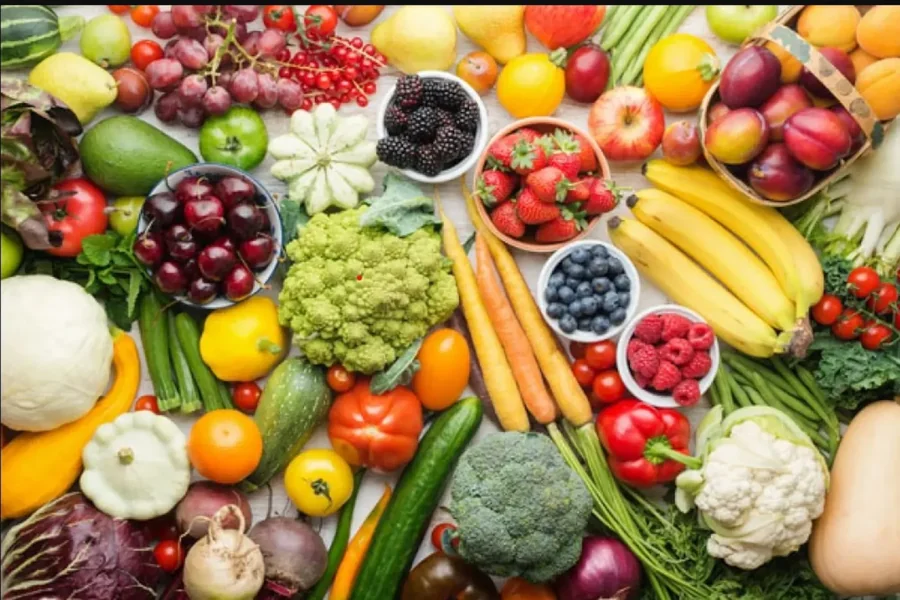
Eating a variety of fresh produce is one of the simplest ways to support a healthy lifestyle. The Benefits of Eating Fresh Fruits and Vegetables include getting essential vitamins, minerals, fiber, and other nutrients that help the body function properly. From crunchy carrots and leafy greens to juicy oranges and sweet berries, different fruits and vegetables offer different nutritional advantages. Adding them to everyday meals can support digestion, contribute to heart health, and help maintain overall well-being. You do not need to follow a strict diet or buy expensive ingredients to enjoy these benefits. Small, consistent choices, such as adding fruit to breakfast or including vegetables with lunch and dinner, can make nutritious eating easier and more enjoyable.
Get Essential Vitamins and Minerals Naturally
Fresh fruits and vegetables provide a wide range of nutrients that support important bodily functions. Citrus fruits, strawberries, and kiwi contain vitamin C, which helps the immune system function normally and supports collagen formation. Leafy greens can provide folate and vitamin K, while carrots and sweet potatoes supply beta-carotene, which the body can convert into vitamin A. Bananas, potatoes, and other produce also contribute potassium, an important mineral for muscle function and blood pressure regulation. Eating different colors throughout the week can help you obtain a wider variety of nutrients instead of relying on just one or two foods. Although fresh produce is valuable, frozen and canned options can also be nutritious alternatives when fresh ingredients are unavailable or too expensive.
Support Digestion and Maintain a Healthy Weight
Many fruits and vegetables contain dietary fiber, which supports regular bowel movements and helps maintain digestive health. Foods such as pears, apples, broccoli, peas, and leafy greens can contribute to your daily fiber intake. Fiber-rich foods may also help you feel satisfied after meals, making it easier to manage hunger as part of a balanced eating pattern. Fruits and vegetables often have a high water content and can add volume to meals without contributing excessive calories. For example, adding vegetables to soups, sandwiches, or rice dishes can make meals more filling and varied. Increase fiber gradually and drink enough fluids to help your digestive system adjust comfortably. Individual needs differ, so focus on a varied diet that suits your body and lifestyle.
Promote Heart Health and Overall Well-Being
Regularly eating a variety of fruits and vegetables can contribute to heart health when combined with other healthy habits. Produce supplies potassium, fiber, and plant compounds that support normal body functions. Potassium helps regulate blood pressure, while a diet rich in fiber can help support healthy cholesterol levels. Berries, tomatoes, spinach, and other colorful foods contain beneficial plant compounds, including antioxidants, that help protect cells from oxidative damage. No single fruit or vegetable can prevent every illness, but variety matters because different foods provide different nutrients. Pair produce with whole grains, legumes, nuts, and suitable protein sources for balanced meals. Regular physical activity, adequate sleep, and avoiding smoking also contribute to long-term health, so think of fruits and vegetables as one important part of a broader healthy lifestyle.
Final Thought
Making fresh fruits and vegetables part of your daily routine does not need to be difficult. Start by choosing produce you enjoy, buying seasonal options, and adding one extra serving to a meal you already eat. You could have sliced banana with breakfast, keep washed fruit ready for snacks, or add colorful vegetables to dinner. Try new varieties when possible, but do not worry if your preferences are simple. Fresh produce can be eaten raw, steamed, roasted, blended, or included in soups and stews. Wash fruits and vegetables under clean running water before eating or preparing them, and store them appropriately to maintain quality. Consistency and variety are more useful than trying to make every meal perfect.
FAQs
1. What are the main benefits of eating fresh fruits and vegetables?
They provide essential vitamins, minerals, fiber, water, and beneficial plant compounds that support digestion, normal body functions, and overall health as part of a balanced diet.
2. How many servings of fruits and vegetables should I eat daily?
A commonly recommended goal for many adults is at least five portions of fruits and vegetables combined each day, although individual recommendations may vary according to age and health needs.
3. Are fresh fruits healthier than frozen fruits?
Not necessarily. Frozen fruits are often picked and frozen when ripe, helping preserve many nutrients. Both fresh and frozen options can be nutritious choices.
4. Can eating vegetables help with weight management?
Yes. Many vegetables provide fiber and water while being relatively low in calories, which can help meals feel more satisfying when included in a balanced eating pattern.
5. Is it better to eat fruits whole or drink fruit juice?
Whole fruits are generally preferable because they retain their fiber and tend to be more filling. Fruit juice can contain useful nutrients, but it is easier to consume large amounts of natural sugar quickly.