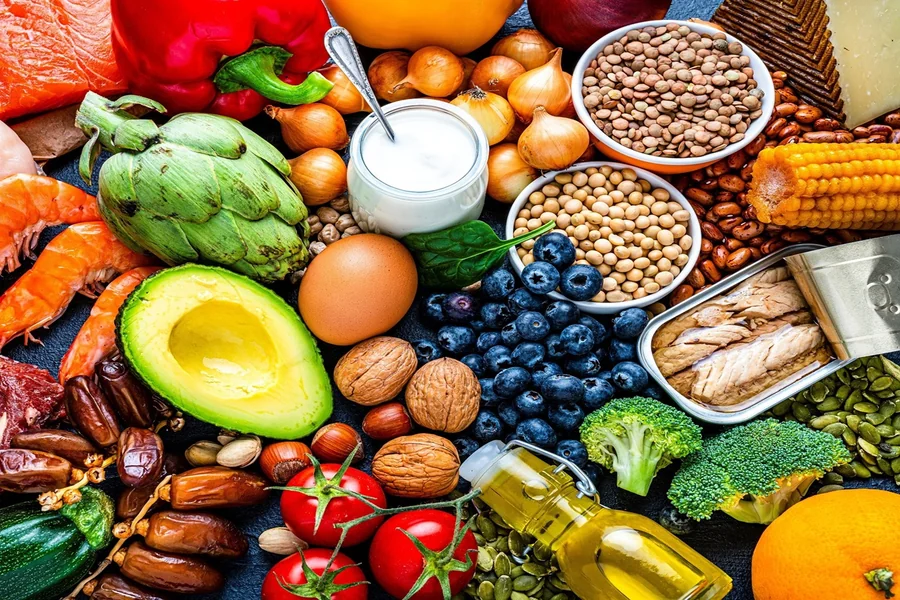
Healthy eating does not have to mean following strict diets, avoiding your favorite foods, or spending hours preparing complicated meals. The best healthy eating habits for daily life are simple routines that help you nourish your body consistently. Choosing balanced meals, eating more fruits and vegetables, drinking enough water, and paying attention to portion sizes can make a meaningful difference over time. Small changes are often easier to maintain than dramatic dietary restrictions. Whether you work from home, attend school, or manage a busy family schedule, developing practical food habits can support your energy, digestion, and overall well-being. The goal is to build a balanced approach that fits your lifestyle and remains enjoyable for years.
Start Your Day With a Balanced Breakfast
Breakfast can be a helpful way to begin the day with energy and important nutrients, especially when you have a busy morning ahead. Rather than relying entirely on sugary snacks or skipping food when you feel hungry, choose a combination of protein, fiber, and healthy carbohydrates. Options include oatmeal with fruit and nuts, eggs with whole-grain toast, or plain yogurt with berries. These combinations can help you feel satisfied and provide nutrients your body needs. However, breakfast requirements vary from person to person, so listen to your hunger and daily routine. Preparing ingredients the night before can also make healthier choices more convenient. A consistent morning routine helps you start the day feeling organized without making food choices unnecessarily complicated.
Eat More Whole Foods and Balanced Meals
Building balanced meals is one of the most practical ways to improve your everyday diet. Include a variety of vegetables, fruits, whole grains, protein sources, and healthy fats throughout the day. Vegetables such as spinach, carrots, and broccoli provide valuable vitamins, minerals, and fiber, while beans, eggs, fish, tofu, and lentils offer protein. Whole grains such as oats and brown rice can contribute fiber and sustained energy. Whenever possible, choose minimally processed foods more often and limit foods high in added sugar, excess sodium, and unhealthy fats. You do not need to eliminate every packaged food to eat well. Planning meals around accessible ingredients makes healthy eating more affordable, flexible, and easier to maintain.
Stay Hydrated and Practice Mindful Eating
Drinking enough fluids supports normal body functions, helps regulate temperature, and prevents dehydration. Keep water nearby throughout the day, and drink regularly, especially during hot weather or physical activity. Water needs vary depending on your health, activity level, climate, and diet, so pay attention to thirst and other individual needs. Alongside hydration, mindful eating can help you develop a healthier relationship with food. Eat slowly when possible, notice the taste and texture of your meals, and recognize when you feel comfortably full. Try to avoid eating automatically while distracted by screens. You can still enjoy occasional treats without guilt. The aim is to make thoughtful choices, appreciate your food, and respond to your body’s hunger and fullness signals.
Final Thought
Developing healthier eating habits is a gradual process, and consistency matters more than perfection. Start with one or two manageable changes, such as adding vegetables to lunch, keeping a water bottle nearby, or preparing simple meals in advance. As these habits become familiar, you can introduce other improvements without feeling overwhelmed. Remember that nutritious food should support your life, not become a source of constant stress. Cultural traditions, personal preferences, food availability, and individual nutritional needs all deserve consideration when planning meals. Allow yourself flexibility and enjoy a wide variety of foods. With patience and realistic goals, you can build an eating routine that supports your well-being, provides nourishment, and remains practical throughout your daily life.
FAQs
1. What are the best healthy eating habits for daily life?
Eat a variety of nutritious foods, include fruits and vegetables, choose whole grains and suitable protein sources, drink enough fluids, and maintain balanced meals that fit your needs.
2. How can I start eating healthier without changing everything?
Begin with small steps, such as adding a serving of vegetables, replacing sugary drinks with water more often, or preparing balanced lunches. Gradual changes are easier to maintain.
3. Is breakfast necessary for everyone?
Not necessarily. Breakfast can provide useful nutrients and energy, but individual needs differ. Choose a meal schedule that supports your hunger, health, and daily routine.
4. How much water should I drink every day?
Fluid needs vary with activity, climate, health, and other factors. Drink regularly throughout the day, pay attention to thirst, and follow medical guidance if you have fluid restrictions.
5. Can I eat my favorite treats while following a healthy diet?
Yes, most people can enjoy favorite treats as part of a balanced eating pattern. Focus on overall dietary variety and consistency rather than trying to eat perfectly every day.