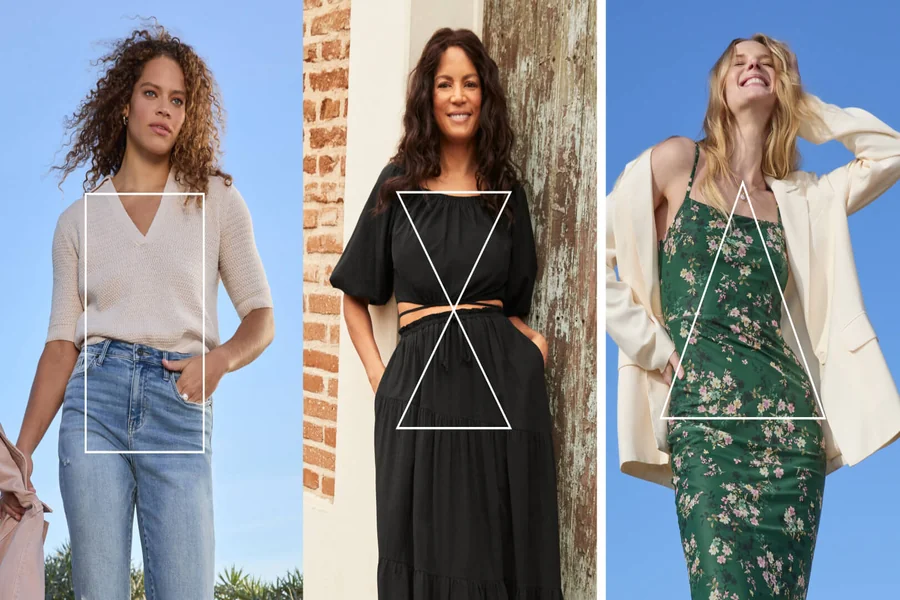
Understanding body shape and fashion tips can make choosing everyday outfits easier and more enjoyable. Everyone has a unique physical structure, and clothing can look different depending on shoulder width, waist definition, bust measurements, and hip proportions. Some people prefer fitted outfits, while others feel more comfortable wearing relaxed clothing or layered designs. Knowing your general body shape can help you understand how different cuts, fabrics, and styles work with your natural proportions. However, fashion should never be about following strict rules or hiding particular body features. The best approach is to experiment with different outfits, prioritize comfort, and choose clothing that reflects your personality and makes you feel confident.
Understanding Different Body Shapes
Before choosing outfits, it is helpful to understand the common body shape categories used in fashion and styling. These classifications are generally based on the relationship between the shoulders, bust, waist, and hips. Although every individual has unique proportions, five common silhouettes are widely recognized.
1. Hourglass Body Shape
The hourglass body shape typically features balanced shoulders and hips with a noticeably defined waist. People with this figure often have similar bust and hip measurements, creating a balanced silhouette. Wrap dresses, fitted tops, belted jackets, and high-waisted trousers are popular clothing options because they follow the natural proportions of the body. However, there is no need to wear fitted clothing all the time. Oversized sweaters, loose shirts, and relaxed dresses can also create comfortable everyday outfits. The most important consideration is finding garments that fit properly and reflect your preferred fashion style.
2. Pear Body Shape
A pear body shape generally features hips that are wider than the shoulders and bust. The waist may appear relatively defined, creating a noticeable difference between the upper and lower body. A-line dresses, straight-leg jeans, flowing skirts, and structured jackets are common wardrobe choices for this figure. Patterned tops and interesting necklines can also introduce variety into everyday outfits. For casual occasions, pairing a comfortable shirt with well-fitting trousers can create a simple look. However, these suggestions are not strict fashion rules. Choose clothing based on personal comfort, lifestyle, and the appearance you enjoy.
3. Apple Body Shape
The apple body shape is generally characterized by a fuller midsection and less noticeable waist definition. The shoulders or bust may appear broader compared with the hips, although individual proportions vary. Relaxed-fit tops, V-neck shirts, empire-waist dresses, and open-front cardigans are popular styling options. Straight-leg trousers and comfortable jeans can also work well for everyday outfits. Lightweight layering provides additional styling opportunities without making clothing feel restrictive. When selecting garments, pay attention to fabric quality and fit. The goal is to find clothing that feels comfortable throughout the day rather than following a particular rule about body proportions.
4. Rectangle Body Shape
A rectangle body shape generally features similar measurements across the shoulders, waist, and hips. This creates a straighter silhouette with less noticeable waist definition. People with this figure can experiment with several different clothing styles, including belted dresses, peplum tops, layered outfits, and high-waisted skirts. Tailored jackets and flared trousers can also create interesting outfit combinations. For casual fashion, a cropped jacket paired with straight-leg jeans offers a simple and modern appearance. However, minimal and straight-cut outfits are equally suitable. A rectangle body shape provides plenty of styling flexibility, so personal preference should always guide clothing decisions.
5. Inverted Triangle Body Shape
The inverted triangle body shape usually features shoulders or bust measurements that are wider than the hips. This creates a broader upper-body appearance and a relatively narrower lower body. V-neck tops, simple shirts, A-line skirts, and wide-leg trousers are popular wardrobe options. Dresses with flowing lower sections can also create different visual proportions. For everyday styling, a basic top paired with relaxed trousers can provide a comfortable combination. Lightweight jackets with minimal shoulder detailing may also be useful. However, there is no need to balance or change your natural proportions. Experiment with clothing that makes you feel confident.
Practical Fashion Tips for Every Body Shape
Good fashion choices are not limited to a particular body category. Understanding a few basic styling principles can help you create outfits that are comfortable, versatile, and suitable for different occasions.
Choose the Right Clothing Fit
The fit of a garment is often more important than its brand, price, or trend value. Clothing that fits properly allows you to move comfortably while creating a neat overall appearance. Pay attention to shoulder seams, sleeve lengths, waist placement, and trouser lengths when shopping. Avoid purchasing clothes simply because they look attractive on a model or mannequin. Different body proportions can affect how the same garment fits. If necessary, consider simple tailoring adjustments to improve the fit of your favorite pieces. A well-fitted outfit can make everyday dressing easier and help you feel more comfortable.
Experiment With Colors and Patterns
Colors and patterns can add personality to any wardrobe. Neutral shades such as black, white, beige, navy, and grey are useful because they are easy to combine with different clothing items. Bright colors can introduce energy, while floral prints, stripes, and geometric patterns create visual variety. You can experiment with color combinations based on your preferences rather than following specific body shape rules. For example, a colorful shirt with neutral trousers can create a balanced everyday outfit. Accessories such as scarves, handbags, and shoes can also introduce additional colors without requiring a completely new wardrobe.
Select Comfortable Fabrics
Fabric quality plays an important role in how clothing looks and feels throughout the day. Cotton is popular for everyday wear because it is breathable and comfortable. Linen works well in warm weather, while denim provides durability for casual outfits. Stretch fabrics can offer additional flexibility, particularly in trousers and fitted clothing. For formal occasions, materials such as satin, chiffon, and structured blends can create different appearances. Consider the weather, occasion, and amount of movement required before choosing an outfit. Comfortable fabric can improve your overall clothing experience and make even simple outfits more practical.
Build a Versatile Wardrobe
A versatile wardrobe makes it easier to create outfits without purchasing new clothes frequently. Start with essential pieces such as well-fitting jeans, neutral trousers, basic T-shirts, classic shirts, comfortable dresses, and a suitable jacket. These items can be combined in several ways for work, casual outings, and social occasions. Add a few statement pieces, colorful accessories, or patterned garments to reflect your personality. Choosing clothing that works across multiple occasions can also reduce unnecessary spending. Focus on quality, durability, and comfort rather than filling your wardrobe with every passing fashion trend.
How to Identify Your Body Shape for Better Styling
Understanding your body proportions can make fashion decisions more practical. Start by measuring your shoulders, bust, waist, and hips with a flexible measuring tape. Compare the measurements to identify whether your upper and lower body are relatively balanced or whether one area is wider. You can also observe your natural silhouette in a full-length mirror while standing comfortably. Online resources such as Bodytypecalc can help you compare your measurements and identify a possible body shape category. These tools provide general guidance rather than exact scientific classifications. Remember that body proportions vary naturally, and your clothing choices should always reflect your personal preferences.
Common Fashion Mistakes to Avoid
One common mistake is following fashion advice too strictly. Body shape categories can provide helpful suggestions, but they should never determine what someone is allowed to wear. Another mistake is choosing outfits based entirely on trends without considering comfort, fit, or lifestyle. Wearing the wrong size can make even an expensive garment feel uncomfortable. Ignoring fabric quality and clothing care can also reduce the lifespan of wardrobe essentials. Additionally, comparing your appearance with celebrities or fashion models can create unrealistic expectations. Instead, experiment with different styles, understand what you enjoy wearing, and build a wardrobe that supports your everyday activities.
Final Thought
Body shape and fashion tips can help you understand your natural proportions and make more confident clothing decisions. Whether you have an hourglass, pear, apple, rectangle, or inverted triangle figure, there are countless ways to create comfortable and stylish outfits. The key is to understand your preferences, choose appropriate fits, experiment with fabrics and colors, and invest in versatile wardrobe essentials. Fashion should be a way to express your personality rather than a set of rules that restrict your choices. Focus on comfort, individuality, and confidence when selecting clothes. Ultimately, the best style is the one that makes you feel good about yourself.
FAQs
- Why is body shape important in fashion?
Understanding your body shape can help you recognize your natural proportions, select comfortable clothing, and explore outfit styles that match your personal preferences.
- What are the five common body shapes?
The five commonly recognized body shapes are hourglass, pear, apple, rectangle, and inverted triangle. Each category describes different proportions between the shoulders, bust, waist, and hips.
- How can I choose clothes for my body shape?
Start by understanding your measurements and experimenting with different clothing cuts, fabrics, and styles. Prioritize proper fitting and personal comfort when selecting outfits.
- Can I wear oversized clothing with any body shape?
Yes, oversized clothing can suit every body shape. Choosing appropriate lengths, fabrics, and outfit combinations can help create a comfortable and fashionable appearance.
- Which clothes are suitable for everyday fashion?
Basic T-shirts, comfortable jeans, neutral trousers, casual dresses, and lightweight jackets are versatile options for everyday wear.
- Do body shape fashion rules always work?
No, fashion rules are general suggestions rather than strict requirements. Individual preferences, comfort, lifestyle, and personal expression are more important.
- Can the right clothing improve my appearance?
Yes, suitable clothing can improve fit, comfort, and overall styling. Different colors, patterns, fabrics, and designs can also create different visual effects without changing your natural body structure.