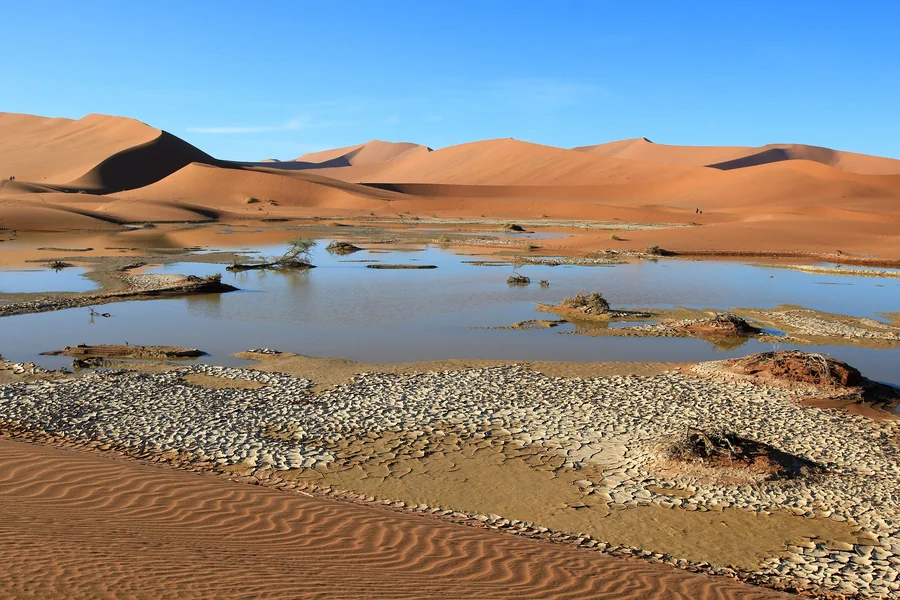
The immense, rolling sands of the world’s most desolate regions present unparalleled challenges for adventurers. When faced with the phenomenon of Desert Mirages: Surviving and Thriving in the Dunes depends entirely on your ability to distinguish reality from optical illusions, manage your vital resources, and maintain a resilient mindset. The arid wasteland is a landscape of extremes, characterized by blistering daytime temperatures, freezing nights, and a severe lack of readily available moisture. For centuries, travelers have been captivated and deceived by the shifting sands and the tricks the heat plays on the human eye. Surviving in such an unforgiving environment requires far more than just physical endurance; it demands a deep understanding of how the climate interacts with your body and your senses. By learning the science of the environment, preparing with the correct equipment, and mastering ancient navigation techniques, you can transform a life-threatening ordeal into an opportunity to conquer one of the planet’s most formidable habitats. The key is to approach the landscape with profound respect, acknowledging that while the sun may distort your vision, your intellect and preparation must remain perfectly clear.
The Science Behind the Illusion
To master the arid landscape, you must first understand the optical tricks it plays on the human mind. A mirage is not a hallucination created by a heat-addled brain, but rather a genuine optical phenomenon rooted in the physics of light refraction. In environments like the Sahara or the Mojave, the sun bakes the earth, causing the sand to reach temperatures significantly higher than the air just a few feet above it. This extreme temperature gradient creates layers of air with different densities. Because light travels faster through hotter, less dense air, the light rays coming from the sky bend in a U-shape as they approach the scorching ground before traveling up to the observer’s eye.
Your brain, which is hardwired to assume that light travels in a perfectly straight line, interprets this bent light as an image originating from the ground. Consequently, the blue of the sky is reflected on the desert floor, creating the compelling illusion of a shimmering pool of water. This specific type of distortion is known as an inferior mirage. The danger arises when dehydrated and exhausted travelers abandon their planned routes to chase this phantom water. The mirage will continuously recede as you move toward it, constantly staying just out of reach. Understanding the precise science behind this illusion empowers you to trust your logical mind over your immediate visual perception, preventing you from wasting precious energy and moving further away from safety.
The Psychological Toll of the Desert
Physical preparation is only half the battle when facing an extreme sandy wilderness. The psychological impact of profound isolation, relentless heat, and deceptive sights can quickly erode a traveler’s mental fortitude. When you are surrounded by an endless sea of shifting dunes, sensory deprivation begins to take hold. The overwhelming silence, broken only by the sound of the wind, can induce a deep sense of vulnerability and panic. Maintaining a positive mental attitude is widely considered by survival experts to be the most critical factor in overcoming these circumstances.
When a traveler sees a mirage and believes salvation is near, only to realize they have been deceived, the resulting emotional crash can be devastating. This cycle of false hope and crushing disappointment accelerates mental fatigue. To combat this, you must set small, manageable goals rather than fixating on the overwhelming distance of your overall journey. Focus on reaching the next ridge, finding a patch of shade, or completing a predetermined period of rest. Practice controlled breathing techniques to lower your heart rate and prevent the onset of panic when the realization of being lost sets in. By establishing a strict routine of resting during the peak heat of the day and traveling only during the cooler hours, you give your mind the structure it desperately needs to stay grounded in an otherwise chaotic and disorienting environment.
Essential Survival Gear for the Dunes
Venturing into the wasteland without the proper equipment is a fatal error. The harsh environment rapidly punishes the unprepared, making your gear the ultimate lifeline. Hydration is paramount, and you should carry an absolute minimum of one gallon of water per person per day. However, carrying water is not enough; you must also regulate how your body expends it. This makes proper clothing your second most important piece of gear. Opt for loose-fitting, light-colored garments made of breathable natural fibers like cotton. Unlike synthetic athletic wear that wicks moisture away rapidly, cotton retains a layer of sweat against your skin, which continuously cools your body as it slowly evaporates in the dry air.
Sun protection goes far beyond sunscreen. A wide-brimmed hat and a lightweight scarf, such as a traditional shemagh, are critical for protecting your neck, face, and respiratory system from severe sunburn and blowing sand. Your footwear must be rugged, with thick soles to insulate your feet from sand that can reach temperatures exceeding 150 degrees Fahrenheit. Additionally, your survival kit must include dependable navigation and signaling tools. A high-quality sighting compass, a loud whistle, and a glass signal mirror are indispensable. A signal mirror can catch the sun’s rays and flash a distress signal to search aircraft from miles away. Finally, a reflective emergency space blanket is surprisingly versatile; it can be rigged as a shade tarp during the scorching day and wrapped around your body to retain essential heat during the freezing desert nights.
Navigating the Endless Sands
One of the most profound dangers of an arid landscape is the distinct lack of permanent landmarks. Wind continuously reshapes the dunes, meaning a landscape can look entirely different from one day to the next. Relying solely on your memory of the terrain is incredibly risky. Furthermore, human beings have a natural tendency to walk in large circles when devoid of visual reference points, an error that can cost you all your remaining energy. While modern GPS devices are highly useful, they should never be your only method of navigation. Extreme heat can quickly degrade battery life, and digital screens can fail under intense prolonged sunlight.
Mastering analog navigation is essential for thriving in this environment. If you possess a map and compass, trust them implicitly over your own spatial intuition. If you are without a compass, the sun and shadows become your primary navigational aids. You can use the shadow-tip method by placing a stick vertically in the flat ground, marking the tip of its shadow, waiting fifteen minutes, and marking the new location of the shadow tip. Drawing a line between these two points provides a reliable east-to-west line. At night, locating the North Star (Polaris) in the northern hemisphere allows you to maintain a steady bearing while taking advantage of the cooler temperatures. Traveling at night preserves your body’s water reserves, but it requires careful footing to avoid nocturnal predators like scorpions and venomous snakes that emerge from the sand to hunt.
Finding Real Water Sources
When your carried water supplies dwindle, knowing how to locate natural moisture is the ultimate test of survival. You must completely ignore the shimmering illusions on the horizon and instead look for subtle, real-world indicators of hydration. Animals are exceptional guides in this regard. A convergence of animal tracks, particularly those pointing in the same direction, often leads to a water source. Pay close attention to bird activity; grain-eating birds like finches and doves require daily water and will typically fly low and direct toward a water source in the early morning and late evening.
Vegetation is another critical indicator. While the landscape may appear barren, the presence of specific indicator plants such as cottonwoods, willows, or sycamores signals that groundwater is near the surface. The lowest points in the landscape, such as dry riverbeds or canyons, are the most likely places to find residual moisture. If you locate the outside bend of a dry river channel, dig at the lowest point. Even if water does not immediately pool, the damp subsurface sand can be squeezed through a cloth to extract life-saving drops. You can also harvest morning dew by laying out your space blanket or a plastic tarp over a shallow depression in the ground overnight. Wiping the accumulated condensation with a cloth and wringing it into your mouth can provide just enough hydration to keep your organs functioning until rescue arrives.
Final Thought
Enduring the extreme conditions of a sandy wilderness is a true test of human resilience, intellect, and preparation. The landscape demands your utmost respect and punishes arrogance swiftly. By understanding the physics of the environment, recognizing the limits of your own perception, and relying on proven strategies rather than panicked instincts, you can safely navigate the deceptive terrain. Equip yourself properly, master analog navigation, and learn the subtle language of the arid ecosystem to ensure you return safely.
FAQs
What causes a mirage in the arid wilderness? It is caused by extreme temperature differences between the burning ground and the cooler air above it, which bends light rays and reflects the sky onto the sand.
Can an optical illusion be photographed by a camera? Yes, because the illusion is a genuine physical phenomenon involving the refraction of light rays, a camera lens will capture the exact same shimmering image that your eyes perceive.
How can I tell if a distant pool of water is real or an illusion? If the water appears to continuously move further away as you walk toward it, or if it suddenly vanishes when you change your viewing height, it is a visual trick and not a real oasis.
What is the safest time of day to travel on foot through the sand? The safest times to travel are during the early hours of the morning and throughout the night, as this strategy helps you avoid the severe daytime heat and dramatically reduces sweat loss.
Is it safe to drink the internal fluids from a cactus to stay hydrated? No, the vast majority of cacti contain highly toxic alkaloids and acids that will induce severe vomiting and diarrhea, which ultimately accelerates deadly dehydration.