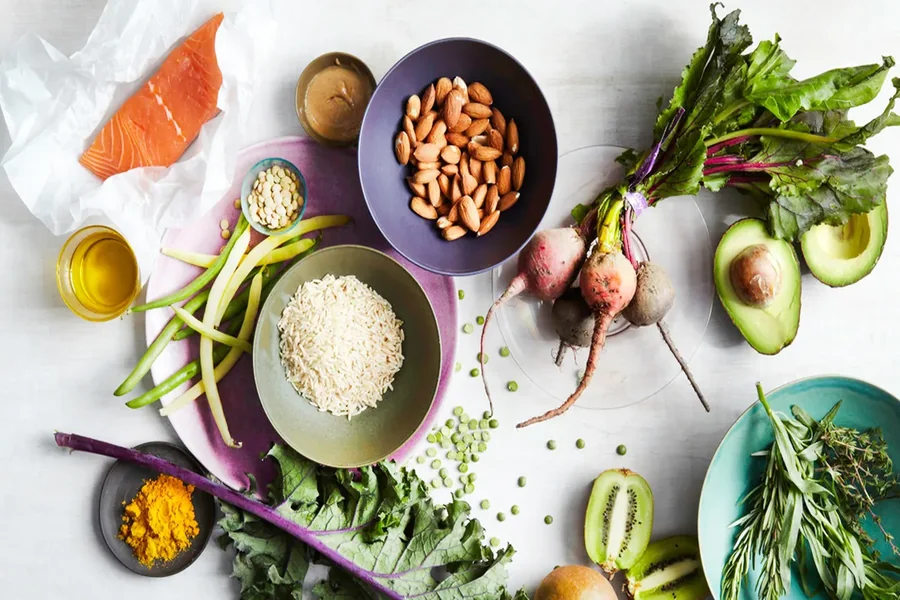
Eating well does not require a strict diet, expensive ingredients, or a complete change in your lifestyle. The Easy Ways to Improve Daily Nutrition Choices begin with small decisions that make nutritious foods a regular part of your day. Choosing more fruits and vegetables, drinking enough water, eating balanced meals, and paying attention to portion sizes can help support your overall well-being. Whether you have a busy work schedule, manage a household, or study throughout the day, simple adjustments can make healthier eating easier. Instead of aiming for perfection, focus on habits you can maintain comfortably. Over time, these everyday choices can help you build a flexible, satisfying eating routine that fits your needs and preferences.
Build Balanced Meals With Nutritious Foods
A balanced meal provides a variety of nutrients that help your body function properly. Try including vegetables or fruit, a source of protein, and whole grains or other nutritious carbohydrates in your meals. For example, you could combine rice with lentils and vegetables, serve eggs with whole-grain toast, or prepare a bowl with beans, greens, and brown rice. Protein sources such as fish, eggs, tofu, chicken, and legumes support muscle maintenance, while whole grains provide fiber and energy. Healthy fats from nuts, seeds, avocados, and suitable oils can also be part of a balanced diet. You do not need every meal to look identical. Focus on variety across the day and choose foods that are accessible, enjoyable, and appropriate for your individual needs.
Add More Fruits, Vegetables, and Fiber
Fruits and vegetables provide essential vitamins, minerals, fiber, and beneficial plant compounds. Adding more of them to your daily routine is a practical way to improve overall dietary quality. Include fruit with breakfast, add vegetables to soups or rice dishes, or keep washed produce ready for convenient snacks. Choose different colors and varieties when possible because different foods provide different nutrients. Fiber-rich foods such as oats, beans, lentils, apples, pears, and leafy vegetables can support digestion and help you feel satisfied after meals. If fresh produce is expensive or difficult to find, frozen and appropriately stored canned options can also be useful. Increase fiber gradually and drink enough fluids to support digestive comfort. Simple additions are often easier to maintain than completely changing your meals.
Make Smarter Choices With Drinks and Snacks
What you drink and snack on throughout the day can contribute significantly to your overall eating pattern. Water is a useful everyday choice for staying hydrated, while unsweetened tea and other suitable drinks can also contribute to fluid intake. Try reducing sugary drinks gradually if they are a regular part of your routine. For snacks, consider combinations that provide nutrients and lasting satisfaction, such as yogurt with fruit, nuts with a banana, or hummus with vegetable sticks. Keep convenient options available so you are less likely to rely on whatever is easiest when hunger strikes. You do not need to eliminate sweets or favorite treats entirely. Instead, enjoy them in moderation while making nutritious foods the foundation of your regular eating habits.
Final Thought
Improving daily nutrition is about making realistic choices consistently rather than following rigid rules. Start with one or two changes, such as adding vegetables to lunch, preparing snacks in advance, or choosing whole grains more often. Plan meals around foods you enjoy and use affordable ingredients that suit your household. It can also help to eat at a comfortable pace, notice your hunger and fullness signals, and avoid treating food choices as a source of guilt. Your nutritional needs may differ depending on your age, activity, health, and lifestyle, so there is no single approach that works for everyone. By focusing on balance, variety, and flexibility, you can create healthier habits that support your well-being for the long term.
FAQs
1. What are easy ways to improve daily nutrition choices?
Eat a variety of fruits, vegetables, whole grains, protein sources, and healthy fats. Drink enough water, plan balanced meals, and make gradual changes you can maintain.
2. How can I eat healthier when I have a busy schedule?
Prepare simple meals in advance, keep nutritious snacks available, and use convenient ingredients such as frozen vegetables, canned beans, eggs, and whole grains.
3. Why is fiber important in a daily diet?
Fiber supports digestive health, helps maintain regular bowel movements, and can increase feelings of fullness. Fruits, vegetables, legumes, and whole grains are useful sources.
4. Do I need to stop eating my favorite snacks to improve my nutrition?
No. You can enjoy favorite snacks as part of a balanced eating pattern. Focus on variety, reasonable portions, and making nutritious foods a regular part of your diet.
5. How long does it take to develop healthier eating habits?
It varies from person to person. Start with manageable changes and repeat them regularly. Gradually building new routines can make healthy choices feel more natural over time.