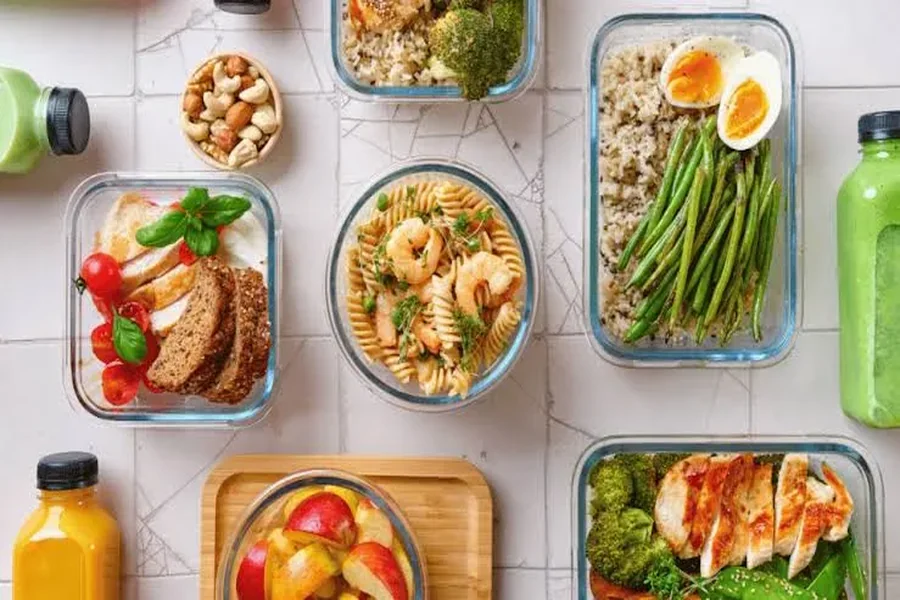
Balancing work, family responsibilities, and personal commitments can make preparing nutritious meals feel like another task on an already crowded schedule. Healthy Meal Planning for Busy Lifestyles offers a practical way to save time, reduce food waste, and make better everyday food choices without spending hours in the kitchen. With a little preparation, you can create meals that include vegetables, fruits, whole grains, protein, and healthy fats while still enjoying your favorite foods. The secret is not following a complicated diet or preparing every meal perfectly. Instead, focus on simple routines, flexible recipes, and ingredients that work for your lifestyle. Even a short planning session each week can make healthy eating more convenient and manageable.
Plan Your Meals Before the Week Begins
Setting aside 15 to 30 minutes each week to plan meals can reduce daily stress and help you avoid last-minute takeaway orders. Start by checking your schedule so you know which days require quick dinners and which allow more cooking time. Choose a few meals that share ingredients, such as roasted vegetables that can be served with rice one evening and added to a salad the next day. Make a grocery list based on the meals you intend to prepare, and check your pantry before buying more supplies. You do not need to plan every snack or follow a rigid menu. Leave room for leftovers, unexpected changes, and meals you genuinely enjoy. A flexible plan is easier to maintain over time.
Prepare Ingredients in Advance to Save Time
Meal preparation does not have to mean cooking seven complete meals on Sunday. Often, preparing a few basic ingredients is enough to make weekday cooking faster. Wash and chop vegetables, cook a batch of rice or whole grains, boil eggs, or prepare beans and lentils for quick meals. Store ingredients safely in clean, covered containers and refrigerate perishable foods promptly. You can then combine them in different ways throughout the week. For example, cooked chicken or tofu can be added to wraps, salads, or grain bowls, while prepared vegetables can become part of an omelet or stir-fry. Keep food safety in mind, follow recommended storage times, and freeze portions you will not use soon.
Choose Quick, Balanced Meals for Busy Days
A nutritious meal can be simple without being boring or expensive. Build easy combinations around a protein source, vegetables, and a grain or other starchy food. For example, try eggs with whole-grain toast and tomatoes, lentil soup with bread, or a rice bowl with beans and mixed vegetables. Frozen vegetables and canned beans can be useful alternatives when fresh ingredients or cooking time are limited. Keep convenient staples such as oats, yogurt, nuts, canned fish, and whole-grain wraps available for quick breakfasts and lunches. When choosing packaged foods, compare labels where practical, especially for sodium and added sugars. The goal is to make balanced options easy to reach, even on days when your schedule leaves little room for cooking.
Final Thought
Healthy eating becomes more realistic when meal planning supports your life instead of making it more complicated. Start with two or three planned dinners, prepare a few ingredients ahead of time, and keep some convenient nutritious foods available for emergencies. As you learn which recipes work best, gradually build a collection of affordable meals that your household enjoys. Remember that plans can change, and eating takeaway or a simple meal occasionally does not undo your progress. Focus on consistency rather than perfection, and adjust your approach whenever your schedule or preferences change. With a little organization and flexible preparation, you can spend less time wondering what to eat and more time enjoying satisfying meals that support your everyday well-being.
FAQs
1. What is healthy meal planning for busy lifestyles?
It means organizing meals and ingredients in advance so you can prepare balanced food more easily despite a demanding schedule. It often includes simple recipes, grocery lists, and ingredient preparation.
2. How long should I spend meal planning each week?
You can begin with 15 to 30 minutes to choose meals, check available ingredients, and prepare a shopping list. The time needed depends on your schedule and cooking preferences.
3. What foods are best for quick and healthy meals?
Eggs, beans, lentils, frozen vegetables, oats, whole grains, yogurt, and canned fish can help create convenient meals. Combine suitable protein sources with vegetables and fiber-rich carbohydrates.
4. Can I meal prep without cooking everything in advance?
Yes. Washing vegetables, portioning snacks, cooking grains, or preparing a sauce can make later meals faster without requiring you to cook every dish ahead of time.
5. How long can prepared meals stay in the refrigerator?
Many cooked leftovers should be refrigerated promptly and used within three to four days when stored at 40°F (4°C) or below. Freeze portions intended for longer storage and follow food-safety guidance.