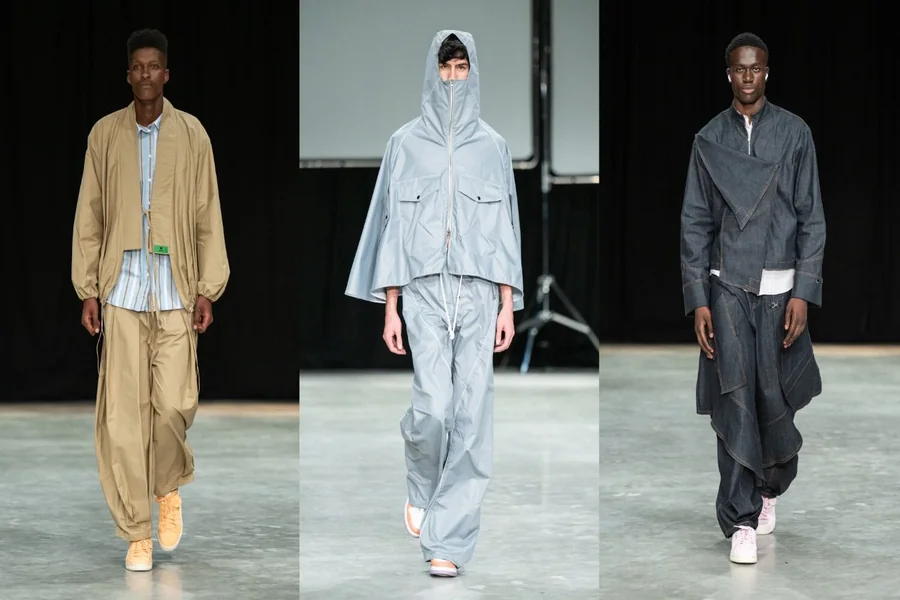
Fashion is no longer confined to the elite echelons of Paris or Milan. Today, the most influential trends are born on the city pavements, cultivated by youth movements, and amplified by digital communities. Beyond the Runway: The Rise of Everyday Streetwear marks a monumental shift in how we perceive style, comfort, and self-expression. What was once considered rebellious attire worn exclusively by skateboarders, surfers, and hip-hop artists has evolved into the defining uniform of the modern era. This transformation did not happen overnight. It is the result of decades of cultural cross-pollination, where the desire for authenticity began to outweigh the appeal of traditional luxury.
People now demand clothing that reflects their actual lives rather than an idealized, unattainable aesthetic. As a result, the boundaries between high fashion and casual wear have completely dissolved. The modern wardrobe is no longer divided into strict categories of workwear, weekend wear, and formal wear. Instead, it is a fluid collection of versatile, comfortable pieces that can seamlessly transition from a morning coffee run to an evening social event. This movement represents a democratization of fashion, proving that compelling design and meaningful narratives can originate from anywhere, regardless of pedigree or price tag.
From Subculture to Mainstream
To understand the current landscape of modern apparel, one must look back at the origins of urban fashion in the late twentieth century. The roots of this movement are deeply embedded in the countercultures of the 1980s and 1990s. In California, surfboard shapers began printing their signatures on t-shirts, creating a localized tribal mentality around their brands. Meanwhile, on the East Coast, the booming hip-hop scene in New York City was establishing its own visual language. Artists and fans alike wore oversized silhouettes, bold athletic apparel, and customized sneakers as a visual rebellion against mainstream corporate aesthetics.
Simultaneously, the skateboarding community was prioritizing durability and movement, favoring heavy cotton tees, rugged workwear trousers, and flat-soled shoes. For a long time, these groups remained strictly marginalized by the traditional fashion establishment. They were viewed as niche markets with little purchasing power or global influence. However, as these subcultures began to overlap—fueled by the rise of music video television and independent lifestyle magazines—a unified youth culture emerged.
The turning point occurred when underground designers in Tokyo’s Harajuku district began blending American vintage styles with highly limited production runs. This introduced the concept of the “drop” model, where products are released in restricted quantities at specific times. Scarcity created an unprecedented level of hype, transforming basic cotton garments into highly coveted collector’s items. Suddenly, consumers were willing to camp outside stores for days just to purchase a printed hoodie or a collaborative sneaker. This fervent dedication forced the broader retail industry to pay attention. The mainstream market slowly realized that authenticity, community, and narrative were becoming the new metrics of value in fashion.
The Core Elements of Modern Urban Fashion
At its heart, this style is defined by a specific set of garments that prioritize function, comfort, and visual impact. The most crucial foundational element is the sneaker. Athletic footwear has transcended its original purpose to become a canvas for artistic expression and a profound status symbol. A rare pair of sneakers often carries more cultural cachet than a traditional leather dress shoe. The sneaker market operates on a complex ecosystem of collaborations, retro re-releases, and limited editions, driving constant consumer engagement.
Equally important is the graphic t-shirt. The graphic tee serves as a wearable billboard, allowing the wearer to broadcast their allegiances, musical tastes, political views, or ironic sensibilities. It is the most accessible entry point into the culture. A simple printed shirt can instantly connect two strangers who recognize the same obscure logo or artistic reference.
Hoodies and sweatshirts form the next vital layer. Originally designed for athletes training in cold weather, the hooded sweatshirt has become the ultimate equalizer in fashion. It is worn by teenagers, tech billionaires, and runway models alike. The appeal lies in its inherent coziness and its ability to act as a protective barrier against the outside world.
Finally, the silhouette itself has dramatically shifted. The tailored, restrictive fits of the early 2000s have been entirely replaced by relaxed, oversized cuts. Dropped shoulders, wide-leg trousers, and boxy outerwear dominate the streets. This preference for volume not only enhances physical comfort but also projects an attitude of effortless nonchalance. It signals that the wearer is confident enough to reject traditional bodily proportions in favor of personal ease.
High Fashion Meets Concrete Streets
The relationship between luxury fashion houses and grassroots urban style was historically adversarial. Luxury brands relied on exclusivity, heritage, and high barriers to entry, while streetwear thrived on accessibility and anti-establishment sentiment. For decades, luxury labels actively distanced themselves from casual youth trends, often taking legal action against independent designers who parodied their famous logos.
However, a dramatic paradigm shift occurred in the 2010s. High-end designers recognized that their traditional customer base was aging, and younger consumers were entirely indifferent to conventional luxury. Millennials and Generation Z were spending their disposable income on limited-edition sneakers rather than bespoke suits or fine jewelry. To survive, the luxury sector had to adapt.
The walls began to crumble when heritage brands started hiring creative directors whose backgrounds were rooted in music, graphic design, and DJing rather than classical tailoring. These new visionaries fundamentally understood the power of hype and cultural relevance. They initiated groundbreaking collaborations, merging prestigious European tailoring with raw, street-level aesthetics.
Today, it is entirely normal to see a legacy luxury house release a collection consisting heavily of sweatpants, windbreakers, and chunky athletic shoes. The pricing remains astronomically high, but the aesthetic is entirely casual. This convergence has created a fascinating paradox: the clothing of the working class and marginalized subcultures has been elevated to the absolute pinnacle of global luxury. It proves that the modern consumer values cultural significance just as much as fine craftsmanship.
Why Comfort Became the Ultimate Luxury
Beyond the shifting dynamics of the fashion industry, a broader psychological and societal transformation has cemented the dominance of casual attire. The way we live and work has fundamentally changed. The rigid corporate dress codes that defined the twentieth century have been slowly dismantling, a process that rapidly accelerated during the global shift to remote work.
When millions of professionals were suddenly confined to their homes, the superficiality of uncomfortable, restrictive clothing became glaringly obvious. People realized that they could be highly productive and professional while wearing soft, elasticized fabrics. As society reopened and people returned to physical offices, there was a collective refusal to completely abandon the comforts they had grown accustomed to. The new standard became “elevated casual,” where the physical sensation of the garment is just as important as its outward appearance.
This prioritization of comfort extends beyond the workplace. In an increasingly chaotic and fast-paced world, individuals seek out clothing that provides a sense of physical security and relaxation. Soft cottons, technical fleeces, and ergonomic footwear offer a literal layer of comfort against the stresses of daily life.
Furthermore, health and wellness have become central pillars of modern lifestyle aspirations. The boundaries between hitting the gym, running errands, and meeting friends for lunch are entirely blurred. Clothing must be versatile enough to handle all these activities without requiring a wardrobe change. Athletic wear and urban style have merged to create a functional aesthetic that supports an active, fluid lifestyle. Comfort is no longer seen as a sign of laziness; rather, it is viewed as a form of self-care and a hallmark of modern luxury.
FAQs
What defines everyday streetwear? Streetwear is a casual clothing style rooted in skate, surf, and hip-hop cultures that emphasizes comfort, graphic designs, and relaxed fits.
Is this fashion movement still growing today? It remains one of the most dominant forces in the fashion industry, heavily influencing both affordable retail and high-end luxury markets globally.
How can I incorporate this style into a professional wardrobe? You can blend casual elements like clean, minimalist sneakers or tailored joggers with traditional pieces like structured blazers to create a balanced, modern look.
Why are sneakers considered so important to this style? Sneakers act as the foundational anchor of most casual outfits, often serving as a highly visible status symbol and a primary method of personal expression.
Do I need to buy expensive luxury brands to participate? No, the core of the culture is about personal expression and authenticity, meaning you can achieve the look with affordable, vintage, or independent labels.
Final Thought
The complete transformation of our daily wardrobes proves that fashion is an ever-evolving reflection of society itself. The journey from niche, rebellious subcultures to absolute global dominance highlights a collective desire for authenticity, community, and practicality. As we look toward the future, it is clear that the principles of relaxed, expressive clothing are not just a fleeting trend but a permanent cultural reset. The aesthetic will undoubtedly continue to shift, incorporating new technologies, sustainable materials, and fresh artistic influences. However, the foundational idea—that what we wear should be comfortable, deeply personal, and reflective of our actual lives—will remain firmly intact. The streets have permanently set the agenda, and the rest of the world will continue to follow their lead.
1 thought on “Beyond the Runway: The Rise of Everyday Streetwear”