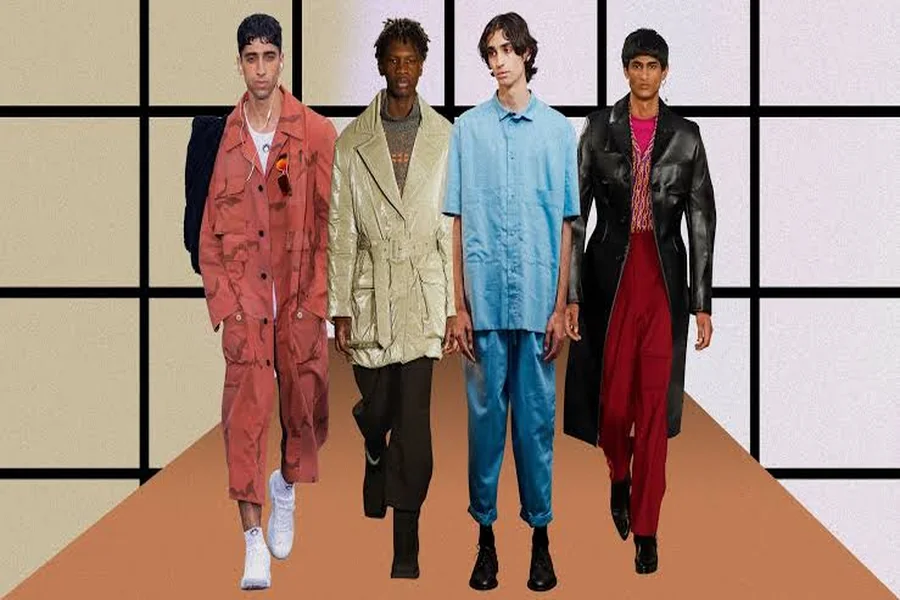
Fashion has always been a powerful reflection of society, culture, and personal identity. For decades, the primary focus of the industry was largely on aesthetics, rapidly changing seasonal trends, and mass affordability. However, as the harsh realities of climate change, resource depletion, and environmental degradation become impossible to ignore, a profound transformation is taking root across the globe. We are standing at the edge of a massive cultural shift regarding how we view, purchase, and care for the clothes we wear every day. At the heart of this necessary movement is Sustainable Style: Redefining the Future of Apparel. This concept is not just a passing trend or a clever marketing buzzword; it is an absolute necessity for the survival of our planet and the protection of vulnerable global communities. The modern wardrobe is evolving, prioritizing longevity, ethical production, and a minimal ecological footprint over cheap, disposable garments. By completely rethinking our relationship with the fashion industry, we have the collective power to mitigate severe environmental damage while still beautifully expressing our unique personal identities.
The Environmental Cost of Fast Fashion
To truly understand the necessity of a greener approach to our wardrobes, we must first confront the devastating impact of the traditional fast fashion model. Fast fashion relies on the rapid production of high volumes of clothing, replicating runway trends at breakneck speeds and rock-bottom prices. This business model has shifted the industry from having four traditional seasons to pushing out up to fifty-two micro-seasons a year. As a result, consumers are psychologically conditioned to view clothing as disposable items rather than durable goods. The environmental toll of this relentless production cycle is staggering. The fashion industry is currently responsible for a significant percentage of global carbon emissions, consuming more energy than both the aviation and shipping industries combined.
Water consumption and pollution are equally alarming issues driven by conventional garment production. It takes roughly two thousand seven hundred liters of water to produce the cotton needed for a single standard t-shirt, which is equivalent to the amount of water an average person drinks in two and a half years. Beyond the sheer volume of water used in agriculture, the dyeing and finishing processes involve toxic chemicals that are routinely dumped directly into local waterways in developing nations. These chemicals poison aquatic ecosystems and compromise the drinking water of surrounding communities. Furthermore, the reliance on synthetic fabrics like polyester, nylon, and acrylic introduces another severe ecological threat. Every time these petroleum-based garments are washed, they shed thousands of microscopic plastic fibers. These microplastics bypass water filtration systems, eventually ending up in our oceans, entering the marine food chain, and even finding their way into the human body.
The end-of-life phase for fast fashion garments is just as problematic as their creation. Because these clothes are manufactured cheaply and quickly, they easily tear, lose their shape, or fall out of trend within a few months. Consequently, millions of tons of textile waste end up in landfills or incinerators every single year. Synthetic garments sitting in landfills can take hundreds of years to decompose, releasing harmful greenhouse gases like methane in the process. Even when well-meaning consumers donate their unwanted fast fashion items to charity, the sheer volume and poor quality of the garments mean that a vast majority ultimately end up in landfills abroad, burdening developing countries with the Western world’s textile waste.
Core Pillars of Eco-Friendly Clothing
Transitioning away from this destructive cycle requires a fundamental restructuring of how clothes are designed, sourced, and manufactured. The ethical fashion movement rests on several core pillars, the first of which is the utilization of environmentally responsible materials. Brands committed to the planet are turning away from conventional, pesticide-heavy cotton and virgin synthetics. Instead, they are embracing organic cotton, which is grown using methods and materials that have a low impact on the environment. Other highly sustainable natural fibers include linen and hemp, both of which require minimal water and zero toxic pesticides to thrive. Furthermore, incredible innovations in textile science have given rise to futuristic, cruelty-free materials. Forward-thinking designers are now creating high-quality leather alternatives using pineapple leaves, apple peels, and even mycelium from mushrooms.
Another crucial pillar is the implementation of a circular fashion economy. In the traditional linear model, resources are extracted, used to make a product, and then thrown away. Circularity aims to design waste out of the system entirely. In a circular fashion industry, garments are intentionally designed to be highly durable, easily repairable, and completely recyclable at the end of their lifespan. This involves using mono-materials rather than complex blends, making it easier for textile recycling facilities to break down old clothes and spin them into new yarn. Many leading ethical brands have introduced dedicated take-back programs, encouraging customers to return worn-out garments in exchange for store credit, ensuring the materials are kept in a closed-loop system rather than discarded in a landfill.
Finally, true sustainability in apparel cannot exist without a deep commitment to social justice and ethical labor practices. The human cost of cheap clothing was brought to the global spotlight following the tragic Rana Plaza factory collapse, which highlighted the dangerous, exploitative conditions faced by millions of garment workers, the majority of whom are women. Ethical apparel brands prioritize complete transparency in their supply chains. They ensure that all workers are paid a living wage, operate in safe and healthy working conditions, and have the right to unionize. By treating the people who make our clothes with dignity and respect, the industry can lift communities out of poverty rather than exploiting them for the sake of higher profit margins.
How Consumers Drive Ethical Changes
While systemic change from corporations and governments is vital, the ultimate power to reshape the apparel industry lies in the hands of the consumer. Every time we purchase a garment, we are casting a vote with our wallets for the kind of world we want to live in. One of the most effective ways consumers are driving change is by embracing the slow fashion movement. Slow fashion encourages individuals to buy fewer items of much higher quality. Instead of mindlessly following fleeting trends, mindful consumers are building capsule wardrobes. A capsule wardrobe consists of a small, carefully curated collection of versatile, timeless pieces that can be easily mixed and matched. By investing in classic silhouettes and durable fabrics, individuals significantly reduce their overall clothing consumption while still maintaining a deeply personal and stylish aesthetic.
The explosive growth of the secondhand and resale market is another powerful consumer-driven shift. Thrifting is no longer seen as a niche activity; it has become a mainstream preference, particularly among younger generations who are highly conscious of their carbon footprints. Online resale platforms, vintage boutiques, and local thrift stores offer a massive inventory of pre-loved clothing, completely bypassing the need for new resources and virgin materials. Buying secondhand extends the life cycle of garments, keeps them out of landfills, and often allows consumers to acquire high-quality, unique pieces at a fraction of their original retail price. This circular approach to personal style actively dismantles the demand for continuous, rapid production from fast fashion giants.
Furthermore, a resurgence in the lost art of garment care and repair is helping to extend the lifespan of our wardrobes. In a culture of convenience, many people have forgotten how to sew on a missing button, mend a small tear, or properly care for delicate fabrics. Modern consumers are unlearning these disposable habits and relearning how to maintain their clothing. Simple actions like washing clothes on cold settings, line drying instead of using energy-intensive tumble dryers, and utilizing local tailors for repairs can drastically reduce the environmental impact of our clothing. By shifting our mindset from instant gratification to mindful maintenance, we cultivate a deeper appreciation for the resources and labor woven into every single piece of fabric we own.
FAQs
What exactly makes a piece of clothing sustainable? A sustainable piece of clothing is thoughtfully designed, responsibly manufactured, and ethically distributed in ways that actively minimize negative environmental impacts and ensure the fair, safe treatment of all workers involved in its creation.
Is ethical and green fashion always more expensive than fast fashion? While the upfront cost is frequently higher due to the provision of fair labor wages and the use of premium, eco-friendly materials, these well-made garments last significantly longer, ultimately making them much more cost-effective over an extended period of time.
How can I tell if a brand is truly eco-friendly or just greenwashing? You should look for verifiable, third-party certifications such as Fair Trade, Global Organic Textile Standard, or Certified B Corporation status, and demand clear, public transparency about their entire global supply chain.
What is a capsule wardrobe and how does it help the planet? A capsule wardrobe is a highly curated collection of versatile, high-quality garments that can be seamlessly mixed and matched, which drastically reduces the consumer’s need to constantly buy new clothes and thereby lowers their personal carbon footprint.
What should I do with old clothes that are too worn out to donate? Worn-out clothing items can be creatively repurposed as household cleaning rags, dropped off at specialized municipal textile recycling facilities, or utilized in brand-specific garment take-back programs that recycle the fibers.
Final Thought
The journey toward a completely ethical and eco-conscious wardrobe does not happen overnight. It is a gradual process of unlearning toxic consumer habits and making more deliberate, mindful choices about what we choose to put on our bodies. The future of apparel relies entirely on our willingness to value quality over quantity, transparency over obscurity, and the health of our planet over fleeting convenience. By demanding better from the brands we support and taking personal responsibility for the lifecycle of our garments, we can transform the global fashion industry into a powerful force for good. Ultimately, the most beautiful thing a person can wear is clothing that respects both the earth and the hands that made it.